page-head

Blog

Best Wooden Table Legs for Your Furniture Projects?

When embarking on furniture projects, selecting the right materials is crucial. Among these materials, table legs wooden play a vital role in both aesthetics and functionality. The choice of wooden legs can transform a simple table into a stunning centerpiece. Natural wood grain adds warmth and character to your furniture.

However, not all wooden legs are created equal. Different types of wood have diverse qualities. Some may warp or crack over time, which can be problematic. You must consider the specific environment and usage of your furniture. Choosing the wrong legs can lead to dissatisfaction. You might need to rethink your selections after your initial choice.

In this guide, we will explore the best wooden table legs available. By examining styles, types of wood, and practical tips, we aim to help you make informed decisions. Whether creating a dining table or a coffee table, the right table legs wooden can enhance your project significantly. Let's dive in and discover the perfect options for your furniture projects.
Best Wooden Table Legs for Your Furniture Projects?

Types of Wooden Table Legs: A Comprehensive Overview

Wooden table legs are essential for various furniture projects. They come in different styles and materials. Understanding the types can help you choose the best option for your needs.

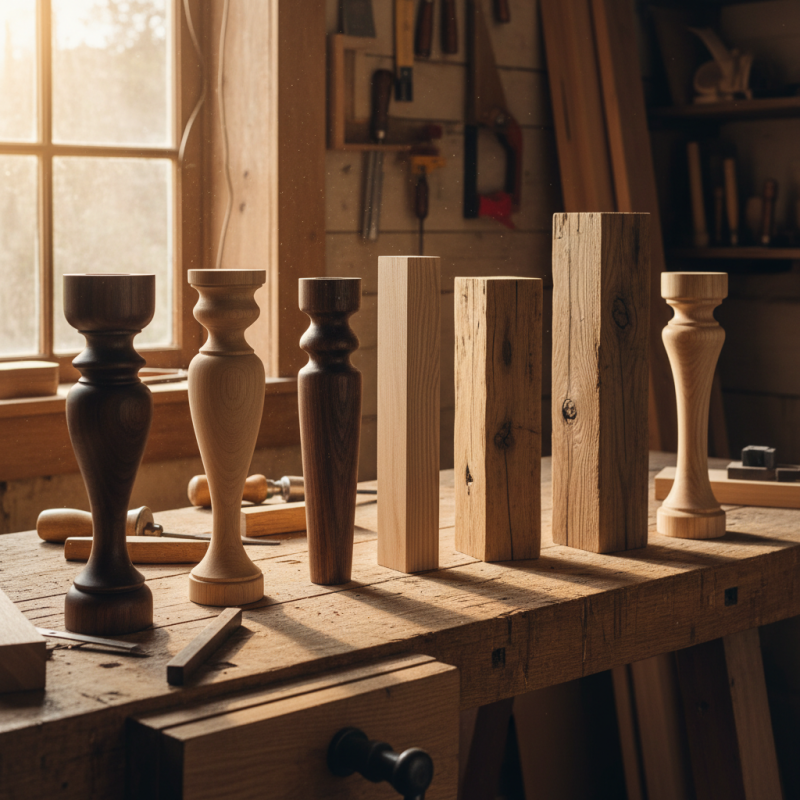
There are several main categories of wooden table legs. Traditional legs offer classic appeal. They are often straight and sturdy. Modern legs can be sleek and stylish, adding a contemporary touch. Tapered legs create elegance, while turned legs showcase craftsmanship. According to industry reports, the demand for unique leg designs is growing. Customization options are increasingly popular among DIY enthusiasts.

When selecting wooden table legs, consider the type of wood. Hardwoods like oak or maple are durable. They withstand wear and tear well. Softwoods like pine are lighter but may not be as sturdy. It’s also important to evaluate the finish and style that best complements your project.

Tips: Measure the height of your table carefully. Consider the proportion of the legs to the tabletop. Don’t rush the selection process. Sometimes, imperfections can add character to your furniture. Remember, investing in quality legs can enhance the overall stability and aesthetics of your piece. A thoughtful choice can make all the difference.
Materials Used in Wooden Table Legs: Pros and Cons

When it comes to choosing wooden table legs, the materials used play a crucial role. Different types of wood have distinct benefits and drawbacks. For instance, hardwoods like oak and maple are incredibly durable. They resist dents and scratches well. However, they can be more expensive and heavier than softer woods. This might not be ideal for every project.

On the other hand, softwoods such as pine are lighter and more affordable. They are easier to work with and can be finished to look stunning. Yet, these woods may not hold up as well under heavy use. A study from the Furniture Research Institute shows that softwoods can show wear after just a few years. Selecting the right material is essential. Consider your project’s needs.

It’s also important to think about the environmental impact. Those who favor sustainability may opt for reclaimed wood. This option not only adds character but also helps reduce waste. However, reclaimed wood may have flaws that require extra attention. Assessing both aesthetics and durability is vital in your choice. Always weigh your options carefully.

Design Styles of Wooden Table Legs for Various Furniture Projects

When choosing wooden table legs for furniture projects, design style is crucial. Each style evokes a different feeling. For instance, sleek mid-century legs boast a minimalist vibe. They can easily transform a simple table into a modern centerpiece. On the other hand, rustic farmhouse legs add warmth and character. They tell a story of craftsmanship. Consider using reclaimed wood for these pieces. It often showcases unique imperfections and history.

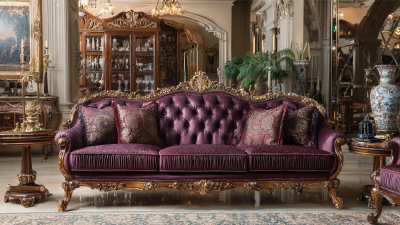
Next, examine the legs' shapes and forms. Straight, sturdy legs convey stability and strength. Tapered legs can create an elegant silhouette. Inspired by Scandinavian design, these legs give a light, airy feel. Curvy or turned legs, however, can add a classic touch. They may remind one of timeless, antique furniture. Balancing aesthetics and function is essential.

Don’t forget about the finish. Natural wood can display grain patterns beautifully. However, painted legs might offer more versatility. One must ponder each choice carefully. Sometimes, the best designs come from thinking outside the box. Embrace imperfections; they add character to your projects.

How to Choose the Right Height for Wooden Table Legs

Best Wooden Table Legs for Your Furniture Projects?

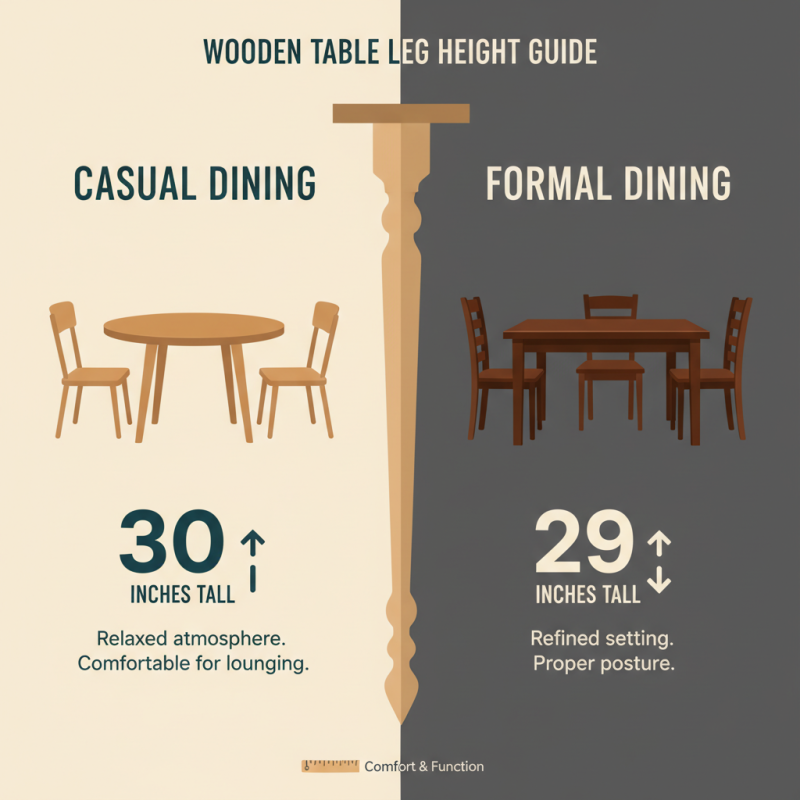
Choosing the right height for wooden table legs is crucial for comfort and functionality. Typically, dining tables stand between 28 to 30 inches high. This range accommodates most people comfortably while sitting. If your table is meant for a casual setting, consider a height closer to 30 inches. For a more formal dining experience, 29 inches may suffice.

You might want to measure your chair height too. The ideal space between the seat and table is about 10 to 12 inches. This ensures ample legroom for everyone. However, it's essential to test a few combinations. Sometimes, the calculated height doesn't feel right when you sit down.

Don’t overlook the purpose of your table. A coffee table, for example, is often lower, around 16 to 18 inches. This height invites relaxation. Feel free to adjust based on personal preference, but remember that aesthetics and functionality should align. It's okay to make mistakes, as each project teaches valuable lessons in design and comfort.

Tips for Finishing and Maintaining Wooden Table Legs

Best Wooden Table Legs for Your Furniture Projects?

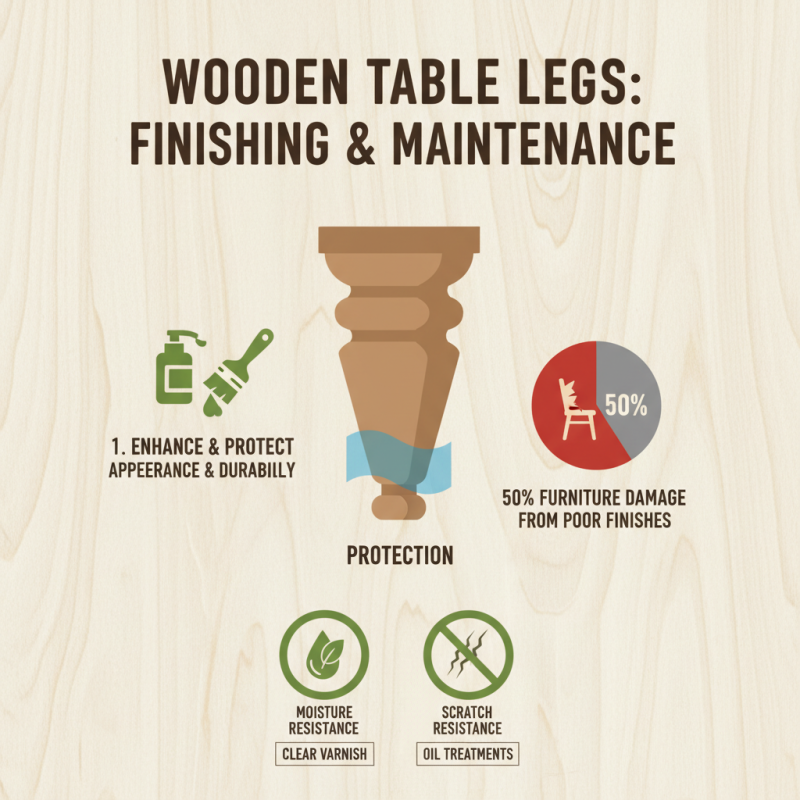
When it comes to wooden table legs, finishing and maintenance are crucial. Proper finishing enhances the wood's appearance and durability. A recent industry report stated that 50% of furniture damage comes from inadequate finishes. Clear varnish or oil treatments can protect the wood from moisture. They also help in resisting scratches.

Maintaining wooden table legs requires regular care. Dusting weekly prevents buildup that can lead to scratches. Cleaning agents must be suitable for wood. An overly harsh cleaner can strip the finish. Some report that using a damp cloth frequently leads to quicker wear of the finish.

Wood is sensitive to temperature changes. Humidity can warp the wood over time. This is a common issue for many furniture makers. Keeping humidity levels stable can prevent such problems. Not everyone considers these factors. Ignoring them can lead to regrets later on. Regular inspections can save time and money in the long run.