
Blog
China Best Luxurious Sofa Manufacturers for Global Buyers
China has become a significant source of premium furniture for international hospitality, residential, and commercial projects. This guide examines China’s best Luxurious Sofa manufacturers through practical buying criteria, not attractive showroom images alone. A polished website proves little. Factory capability matters more.
Axel Vervoordt, a respected luxury interior and furniture expert, once said, “Luxury is not about buying expensive things; it is about living in an environment that makes you feel good.” His view fits today’s sofa market. True luxury combines comfort, proportion, material quality, and lasting craftsmanship. Buyers should inspect kiln-dried hardwood frames, high-density foam, resilient webbing, top-grain leather, and carefully aligned stitching. Small details matter. Even armrest symmetry can reveal production discipline.
Reliable Chinese manufacturers usually provide material samples, technical drawings, factory photographs, and clear production schedules. They should explain foam density, leather grading, fire-safety options, packaging methods, and replacement-part policies. Certifications can support confidence, but buyers must verify their scope and validity. A certificate alone cannot guarantee comfort or durability.
There is room for doubt. Some factories outsource key components without explaining it clearly. Others show impressive prototypes but deliver inconsistent batches. Therefore, international buyers should request a physical sample, confirm tolerances, and review a detailed contract before placing a large order. Good communication reduces surprises, but it cannot remove every risk. The strongest Luxurious Sofa supplier combines skilled labor, modern equipment, transparent quality control, and responsive after-sales support. That combination is rare, yet worth investigating carefully.
What Defines a Luxury Sofa Manufacturer in China?
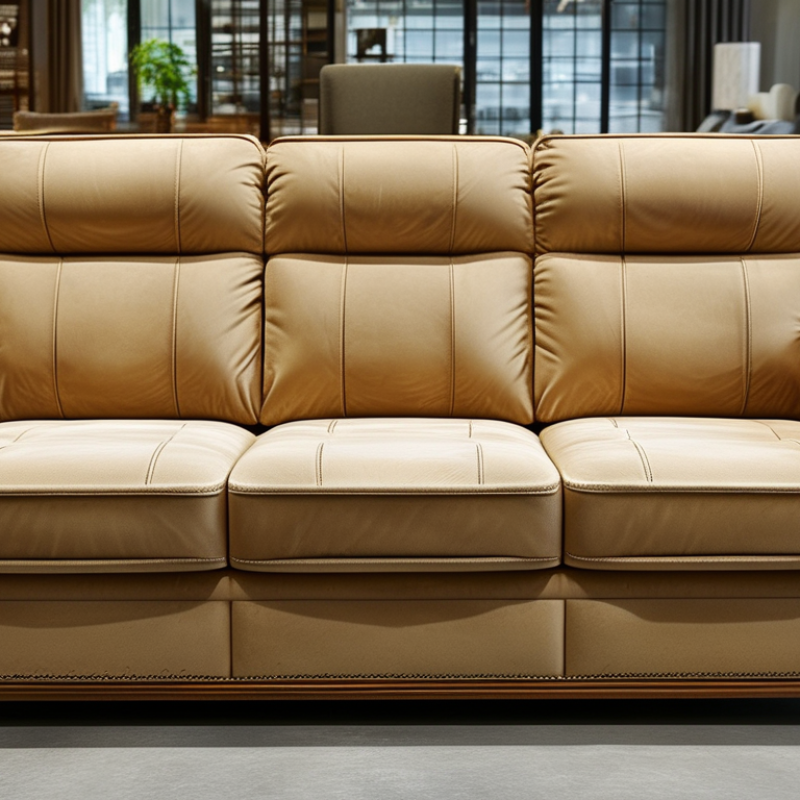
A luxury sofa manufacturer in China is defined by controlled craftsmanship, not a glossy showroom. During a factory visit, buyers should inspect kiln-dried hardwood, reinforced joints, and evenly tensioned webbing. Frame corners should feel firm without creaking under controlled pressure. Skilled upholsterers match grain direction and keep seam gaps consistent. Small visual errors matter. They often reveal weak process control.
Professional manufacturers document each material from supplier to finished sofa. They can explain foam density, leather grading, fabric performance, and adhesive selection. Their quality teams measure seat height, hardness, stitching strength, and color consistency. A serious factory also builds prototypes before mass production. This step exposes uncomfortable problems, such as uneven cushions or difficult assembly. Ignoring them is expensive. For global buyers, clear inspection records and practical corrective actions build more trust than elegant promises.
Luxury also depends on engineering and service. Manufacturers should provide accurate drawings, carton measurements, assembly instructions, and replacement-part plans. They should understand destination-market safety requirements and use properly verified materials. Reliable exporters communicate delays early, protect corners during packing, and photograph every production stage. Still, no factory is perfect. Even experienced teams may miss a shade difference or slight alignment issue. That weakness deserves honest review, not concealment. The strongest partners welcome independent inspections and improve their process after criticism.
China Best Luxurious Sofa Manufacturers for Global Buyers - What Defines a Luxury Sofa Manufacturer in China?
A practical buyer benchmark for evaluating luxury sofa manufacturing capability, product quality, customization, compliance, and export readiness.
| Evaluation Dimension | Luxury-Level Benchmark | What a Qualified Manufacturer Should Demonstrate | Recommended Verification |
|---|---|---|---|
| Frame Construction | Kiln-dried solid hardwood or engineered structural wood, with reinforced joints and low risk of warping. | Clear frame drawings, material specifications, joint details, and internal construction photographs. | Request a cutaway sample or inspect the frame before mass production. |
| Wood Moisture Control | A controlled moisture range, commonly around 8%–12% for indoor furniture, subject to local climate and project requirements. | Moisture-meter records, kiln-drying procedures, and storage controls for timber components. | Use an independent moisture inspection during pre-shipment quality control. |
| Cushioning System | High-resilience foam, layered cushioning, or a foam-and-feather construction designed to balance comfort and shape retention. | Foam density, hardness, recovery, filling ratio, and cushion construction documented by specification sheet. | Test seat comfort, rebound, seam stress, and long-term shape retention with a sample. |
| Upholstery Materials | Consistent-grain leather, premium fabric, or performance textile with suitable abrasion, colorfastness, and cleanability performance. | Material composition, thickness, finishing method, test reports, and approved color or texture samples. | Approve a signed material swatch and compare it with the production batch. |
| Stitching and Tailoring | Uniform stitch spacing, clean welt lines, accurately matched patterns, smooth corners, and minimal wrinkling. | Detailed product photographs, workmanship standards, and a documented inspection checklist. | Inspect high-visibility areas, corners, piping, zipper placement, and pattern alignment. |
| Customization Capability | Flexible options for dimensions, upholstery, cushioning firmness, leg finishes, modular layouts, and packaging. | Technical drawing support, sample approval workflow, material library, and engineering change control. | Confirm that all approved revisions are included in the final production drawing. |
| Product Testing | Testing appropriate to the destination market, including strength, stability, durability, flammability, or chemical requirements where applicable. | Recent third-party test reports linked to the actual construction, materials, and product configuration. | Verify test scope, report date, sample description, and destination-country requirements. |
| Quality Control System | Documented controls covering incoming materials, frame assembly, upholstery, final inspection, and packaging. | Inspection standards, defect classification, corrective-action records, and pre-shipment inspection access. | Use an approved inspection checklist with measurable acceptance criteria. |
| Production Lead Time | Custom upholstered sofa orders commonly require approximately 45–75 days after material and sample approval; timing varies by complexity and quantity. | A production schedule showing material procurement, prototype approval, manufacturing, inspection, and packing milestones. | Put the confirmed schedule and delay-handling terms in the purchase agreement. |
| Minimum Order Flexibility | Small-batch or project-based production may be available, but custom materials and complex designs can require higher minimum quantities. | A written quotation showing minimum quantities by model, color, material, and customization level. | Confirm whether sample orders, mixed containers, and repeat orders have different conditions. |
| Packaging and Export Readiness | Protective packaging designed for upholstered furniture, with moisture control, corner protection, abrasion prevention, and clear carton identification. | Packaging drawings, loading photographs, carton dimensions, shipping marks, and export documentation experience. | Approve a packaging sample and verify container utilization before shipment. |
| Warranty and After-Sales Support | A written limited warranty commonly covering manufacturing defects for a defined period, with clear exclusions and claim procedures. | Warranty terms, replacement-part policy, response times, and a documented process for handling quality claims. | Ensure warranty responsibilities, evidence requirements, and remedy options are contractually defined. |
| Sustainable Manufacturing | Responsible sourcing, controlled emissions, reduced material waste, recyclable packaging, and documented environmental procedures. | Material traceability, environmental certificates where relevant, waste-management records, and chemical-control procedures. | Check whether certificates apply to the specific facility and current production materials. |
| Communication and Documentation | Accurate English-language specifications, fast technical clarification, stable project contacts, and traceable approval records. | Professional quotations, dimensioned drawings, bill of materials, inspection reports, and change-control documentation. | Evaluate response quality during sampling, not only during initial price negotiation. |
Buyer Note: The figures and ranges above are practical industry benchmarks rather than universal requirements. Final specifications should be confirmed according to the sofa design, destination-market regulations, material selection, order quantity, and approved product samples.
Related Posts
-
How to Choose the Best Luxurious Sofa for Your Home?
-
Best Wooden Desk Legs for Every Style and Budget?
-
Transform Your Living Room: The Ultimate Guide to Choosing the Perfect Round Wooden Coffee Table
-
What is United Furnitures? A Comprehensive Guide to Your Home Furnishing Choices
-

2026 How to Choose the Best United Furniture for Your Home?
-

What is a Round Dining Table and Chairs Set for Your Home?