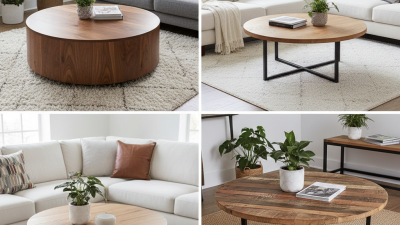
Global buyers are rethinking how comfort, durability, and responsible sourcing shape modern living spaces. The global furniture market was valued at approximately USD 516.6 billion in 2022, according to Grand View Research. Its report projects steady growth through 2030, supported by urban housing, renovation demand, and online furniture sales. Wooden sofa collections sit directly within this expanding opportunity.
China remains an important manufacturing base for export-oriented furniture. Its suppliers combine solid wood, engineered panels, woven fabrics, and flexible production systems. The strongest factories also provide kiln-drying records, material declarations, load testing, and packaging inspections. These details matter when buyers compare a China Best Wooden Sofa Set Design for Global Buyers. They reduce uncertainty across long-distance shipping and different climate zones.
A practical comparison should examine frame joints, foam density, fabric abrasion, moisture control, and replacement-part access. The Sofa Set Design In Wooden category is not only about appearance. It reflects construction choices that buyers can inspect and verify. CSIL reports that upholstered furniture continues to represent a substantial segment of the international furniture industry, while FSC market data highlights the growing importance of responsible forest management. Certification alone is not enough. Factory records still deserve careful review.
Details reveal quality.
A warm oak frame, tight corner stitching, and balanced seat depth can improve daily use. However, no catalogue can guarantee perfect performance in every market. Humidity, assembly habits, and cleaning methods may change results. That limitation deserves honest attention. The best Chinese wooden sofa designs therefore combine tested materials, transparent documentation, adaptable dimensions, and experienced export support rather than relying on attractive photographs alone.

A high-quality wooden sofa set from China begins with properly selected and prepared timber. Solid wood should feel dense, dry, and stable, without deep cracks or active insect damage. Ask for moisture-control records, especially when the furniture will enter a different climate. Poorly dried wood may twist after installation.
The frame deserves close attention. Experienced buyers should inspect corner blocks, mortise-and-tenon joints, screw placement, and load-bearing rails. A strong sofa should remain quiet when someone sits, stands, or shifts position. Test samples physically. Photos cannot reveal loose joints. The seat should recover after repeated pressure, while foam density should match the sofa’s intended use. Soft is not always comfortable for long-term sitting.
Surface finishing also defines quality. Look for even color, smooth edges, sealed end grain, and no sharp odor after curing. Upholstery seams should remain straight around corners, with consistent thread tension. Packaging matters too. Protective foam, reinforced cartons, and moisture barriers reduce damage during international transport. Request inspection reports, material specifications, care instructions, and replacement-part procedures. These documents show more than polished sales language.
No inspection is perfect. A minor uneven grain may be natural, but structural movement is not. I would also leave room for honest questions about production limits. A supplier that explains weaknesses clearly may prove more reliable than one promising flawless furniture.
Choosing the best wooden sofa set depends on the room’s visual language. Grand View Research estimates the global wooden furniture market reached about US$405.9 billion in 2023. This growth reflects demand for durable, adaptable furniture.
For Scandinavian interiors, select pale oak, slim arms, and woven beige upholstery. The open legs keep small rooms visually light. Japandi rooms need quieter shapes, matte finishes, and low profiles. A walnut frame suits mid-century interiors, especially with tapered legs and moss-green fabric. Traditional rooms benefit from carved details, deeper cushions, and warm mahogany tones. Industrial spaces work better with visible grain, black metal accents, and firm leather-like upholstery. Keep the texture controlled.
Proportion matters more than decoration. A sofa should leave roughly 45 to 60 centimeters around major walking routes, depending on the room layout. CSIL’s World Furniture Outlook 2024 identifies renovation and residential replacement as important furniture demand drivers. That supports practical, long-life designs rather than temporary styling. Kiln-dried wood, reinforced corner joints, and replaceable cushion covers improve export reliability. Ask for moisture testing and material documentation. Do not assume every dark finish hides poor construction. It sometimes does. Pale wood may reveal scratches faster, while heavy carving can make cleaning frustrating. My practical preference is a simple frame with visible grain, because small imperfections feel more honest and remain easier to repair.
China’s wooden sofa sets attract global buyers through flexible design and competitive production. CSIL’s World Furniture Outlook 2024 estimates global furniture consumption at roughly US$1.5 trillion in 2023. That scale makes material verification essential. Ask for the wood species, moisture content, and panel composition. Kiln-dried hardwood commonly performs well around 8–12% moisture, but the correct range depends on the destination climate. Over-dry timber may crack. Excess moisture may cause warping or mildew. I have seen attractive frames fail because suppliers checked appearance, not internal moisture.
Craftsmanship should be tested, not merely photographed. Inspect mortise-and-tenon joints, corner blocks, staple spacing, and cushion recovery after repeated compression. Request test evidence based on EN 12520 or ISO 7173 for seating strength and durability. For panels, verify formaldehyde results against the destination market’s requirements. The FAO Global Forest Resources Assessment 2020 states that forests cover about 31% of global land area, yet legal and traceable sourcing still requires documents. FSC certification can support chain-of-custody checks, but it does not replace factory inspection.
Tips: Request a sealed wood sample, moisture readings, material invoices, and a pre-shipment inspection. Sit on a production sample for ten minutes. Listen for movement. A small creak deserves investigation. Do not accept a generic “quality certificate”; check its issuer, test method, date, and product model. One weakness remains easy to miss: packaging can damage excellent workmanship during long-distance transport. Require drop-test records and corner protection details.
| Evaluation Dimension | Recommended Benchmark | Acceptable Specification for Export Furniture | Inspection or Verification Method | Why It Matters to Global Buyers |
|---|---|---|---|---|
| Primary Wood Material | Kiln-dried solid hardwood for the main frame, such as rubberwood, beech, ash, or oak. | Use structurally suitable hardwood for rails, legs, corner blocks, and load-bearing components. Avoid untreated or visibly weak wood in structural areas. | Review the material specification, inspect exposed sections, and compare the approved sample with the production item. | Wood species and placement directly affect strength, dimensional stability, appearance, and service life. |
| Wood Moisture Content | Approximately 8%–12% for most indoor export furniture, subject to the destination climate. | Moisture should be consistent across frame components, with no visible mold, excessive cracking, warping, or swelling. | Measure representative components using a calibrated wood moisture meter before assembly and before packing. | Controlled moisture reduces the risk of shrinkage, joint loosening, splitting, and mildew during overseas transport. |
| Frame Construction | Reinforced hardwood frame with corner blocks, center supports, and securely fixed seat rails. | Frame members should be properly aligned and firmly attached. Long sofa seats should include suitable center reinforcement. | Conduct visual inspection, dimensional checks, and repeated sit-and-rise testing on the assembled sofa. | A strong frame prevents rocking, sagging, squeaking, and premature structural failure. |
| Joinery and Fasteners | Dowels, mortise-and-tenon joints, screws, bolts, or a combination selected for each connection. | Joints should be tight, accurately aligned, free from visible gaps, and supported by appropriate adhesive or mechanical fasteners. | Inspect joints before upholstery, check fastener tightness, and apply repeated load or movement tests. | Reliable joinery improves durability and minimizes noise or instability after repeated use. |
| Panel and Plywood Quality | Use furniture-grade plywood or certified composite panels in non-solid-wood areas. | Panels should be flat, properly sealed, free from delamination, and suitable for the intended indoor environment. | Check panel edges, surface condition, thickness, adhesive bonding, and relevant test documentation. | Panel quality affects screw retention, dimensional stability, weight, and long-term structural performance. |
| Surface Finish | Even coating with consistent color, smooth touch, and sufficient resistance to routine household use. | No obvious runs, pinholes, bubbles, rough areas, color mismatch, or uncovered edges. Finish should be fully cured before packing. | Use visual inspection under suitable lighting, color comparison, adhesion checks, and surface-rub testing. | A controlled finish protects wood from moisture and wear while maintaining a consistent appearance across sets. |
| Upholstery Foam | Seat foam commonly around 30–40 kg/m³, with firmness selected according to design and comfort requirements. | Foam should have uniform thickness, recover after compression, and be properly supported by the webbing or spring system. | Verify density documentation, measure thickness, inspect cut surfaces, and perform compression and recovery checks. | Foam density and resilience influence comfort, shape retention, and the visible life of the cushions. |
| Seat Support System | Elastic webbing, sinuous springs, or pocketed springs installed with even spacing and secure anchoring. | Support components should be evenly tensioned, correctly positioned, and free from rubbing against the frame. | Inspect the underside, measure spacing where applicable, and perform repeated-load testing on each seat position. | A balanced support system reduces seat sagging and improves comfort consistency between users. |
| Fabric Durability | Select abrasion resistance according to use; approximately 20,000–30,000 Martindale cycles is a practical starting range for general residential use. | Fabric should have consistent color, secure seams, acceptable pilling performance, and resistance appropriate to the target market. | Review laboratory test reports for abrasion, pilling, colorfastness, seam strength, and fiber composition. | Textile performance affects appearance retention, maintenance requirements, warranty risk, and customer satisfaction. |
| Dimensional Accuracy | Finished dimensions should match the approved technical drawing and tolerance requirements. | Check overall width, depth, height, seat height, leg height, cushion thickness, and symmetry before final packing. | Use calibrated tape measures, gauges, and a documented pre-shipment inspection checklist. | Accurate dimensions support room planning, container utilization, retail listing accuracy, and installation compatibility. |
| Load and Stability Performance | The completed sofa should remain stable under repeated seating and normal-use loads without excessive movement or permanent deformation. | No structural cracking, sharp movement, abnormal noise, leg failure, or permanent seat deformation after testing. | Apply internal load and durability procedures based on the destination market, with reference to applicable furniture safety standards such as EN 12520. | Performance testing helps identify hidden weaknesses before products reach retailers or end users. |
| Formaldehyde and Chemical Safety | Composite wood and finishing materials should comply with the chemical-emission requirements of the destination market. | Obtain current third-party reports where required, such as applicable requirements under CARB Phase 2, TSCA Title VI, or equivalent local regulations. | Check material declarations, batch traceability, and laboratory test reports issued by an appropriately qualified laboratory. | Compliance reduces regulatory, health, customs, and product-recall risks in international markets. |
| Responsible Wood Sourcing | Use legally sourced wood and provide recognized chain-of-custody documentation when a buyer requires certified material. | Material claims should be traceable to purchase records, supplier declarations, and certification documents where applicable. | Verify documentation, supplier records, material labels, and certification scope before placing a bulk order. | Traceable sourcing supports environmental policies, retailer requirements, and responsible procurement programs. |
| Edge, Corner, and Hardware Safety | Smooth accessible edges, stable legs, concealed sharp points, and corrosion-resistant hardware where appropriate. | No exposed staples, sharp metal edges, loose fittings, unstable feet, or hazardous protrusions in normal-use areas. | Perform hand inspection, stability checks, hardware tightening checks, and inspection of the underside and rear of the sofa. | Basic safety details reduce injury complaints and improve perceived manufacturing quality. |
| Packaging and Export Protection | Use protective wrapping, corner guards, moisture protection, and sufficiently strong cartons or crates. | Packaging should prevent abrasion, crushing, moisture exposure, and movement during container handling and inland transport. | Review the packing specification, conduct carton-drop or vibration tests when appropriate, and inspect packed samples. | Effective packaging lowers transit damage, replacement costs, delivery delays, and claims. |
| Pre-Shipment Quality Control | Use an approved golden sample, documented inspection criteria, and a statistically defined inspection plan. | Confirm materials, dimensions, appearance, function, quantity, labeling, and packaging before shipment release. | Perform first-piece, in-line, and final random inspections; record defects with photographs and corrective actions. | A documented process creates consistent quality across production batches and reduces communication disputes. |
Choosing a wooden sofa set for global markets requires more than attractive photographs. In furniture sourcing work, I check the frame, joinery, wood moisture, fabric strength, and packaging details. A sofa can look elegant yet crack after shipment if the timber was not properly dried. Ask for material samples, construction photos, and test reports from reliable suppliers. Measure the room.
Market preferences also vary widely. A compact two-seat sofa may suit city apartments, while larger households often need modular seating. Seat depth, cushion firmness, arm height, and cleaning needs affect real customer satisfaction. Neutral colors usually travel well, but regional tastes should not be ignored. Some buyers prefer warm oak tones; others choose darker finishes for formal interiors. Details matter.
Shipping conditions deserve careful attention. Confirm carton dimensions, protective corner materials, assembly steps, and replacement-part availability before placing an order. Check whether the wooden finish resists humidity, especially for coastal or tropical destinations. Product information should clearly state dimensions, materials, care instructions, and weight limits. Honest specifications build trust better than exaggerated claims.
I once underestimated how strongly packaging affects perceived quality. The sofa arrived safely, but a loose instruction sheet made installation confusing. That mistake was small, but costly. Test the buying experience, not only the furniture. A practical inspection checklist, consistent quality records, and clear communication can reduce avoidable returns across different markets. One detail remains difficult: predicting comfort from a sample alone. Physical testing still matters.
For global buyers, a strong wooden sofa set starts with practical customization. You can select wood species, frame thickness, seat depth, fabric, color, and carton size. Confirm every measurement in a technical drawing before production. A beautiful sample may still feel uncomfortable after long use. That detail deserves honest testing.
Pricing depends on wood grade, upholstery, labor, packaging, order volume, and shipping terms. Ask for a complete quotation, not only the unit price. Request sample approval, moisture-control details, inspection standards, and estimated production time. Export documents should match the contract and destination requirements. Strong suppliers usually explain these points clearly, without hiding fees.
Tips: Compare at least three detailed quotations. Check frame joints by hand. Ask for photos during production. Use protective corner guards and moisture-resistant packaging. Confirm whether assembly tools and instructions are included. Leave room for improvement; the first design is rarely perfect. Buyers sometimes focus too heavily on appearance and overlook seat comfort, replacement parts, or warehouse handling. A careful purchase balances design, cost, durability, and dependable communication.