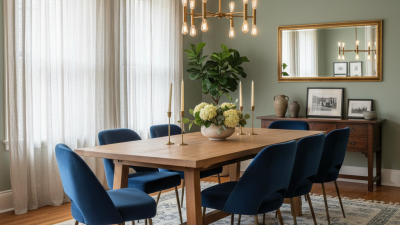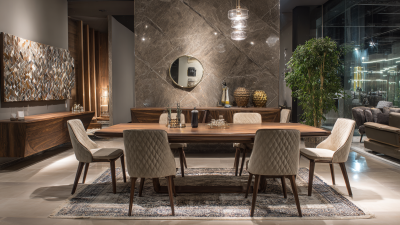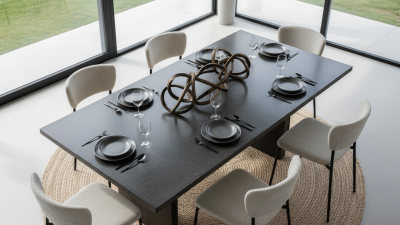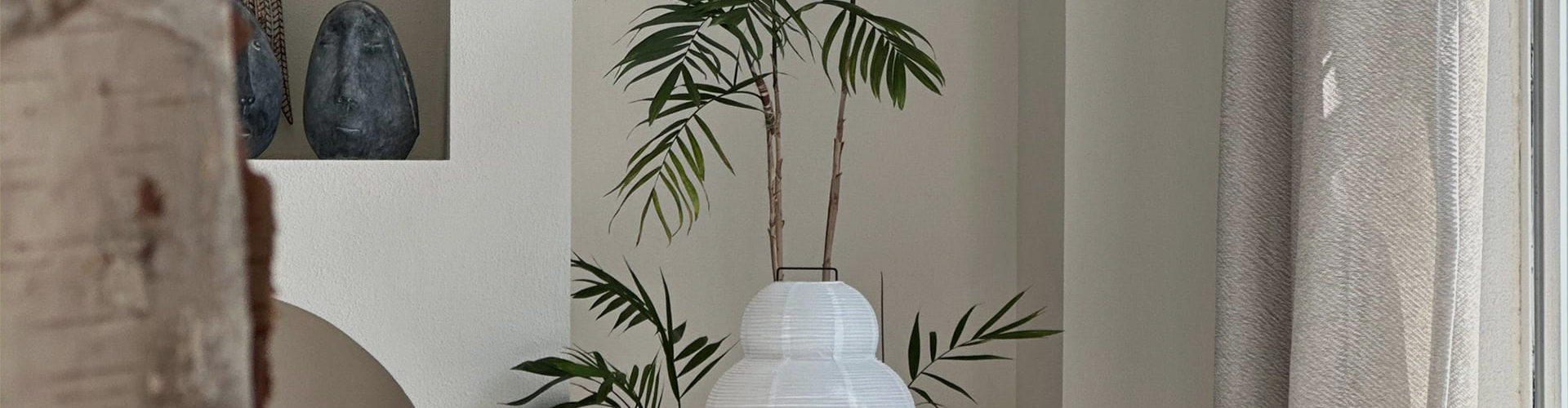
Choosing the right dining room furniture can seem overwhelming. Various styles, sizes, and materials are available to consider. Your dining room is more than just a place for meals; it sets the tone for gatherings with family and friends. Therefore, selecting the best dining room furniture requires careful thought.
Start by assessing your space. Measure your dining area to ensure the furniture fits comfortably. Consider the number of people you typically host. Opt for a table that can accommodate everyone. Look into quality materials. Solid wood offers durability, while glass can create an illusion of more space. Reflect on your personal style. Do you prefer modern minimalism or rustic charm?
It's easy to get lost in options and feel uncertain. Take your time to explore different designs and colors. Allow yourself to visualize how each piece will enhance your dining experience. Finally, remember that comfort is key. Chairs should be inviting. Dining room furniture should not only look good but also foster enjoyable moments around the table.
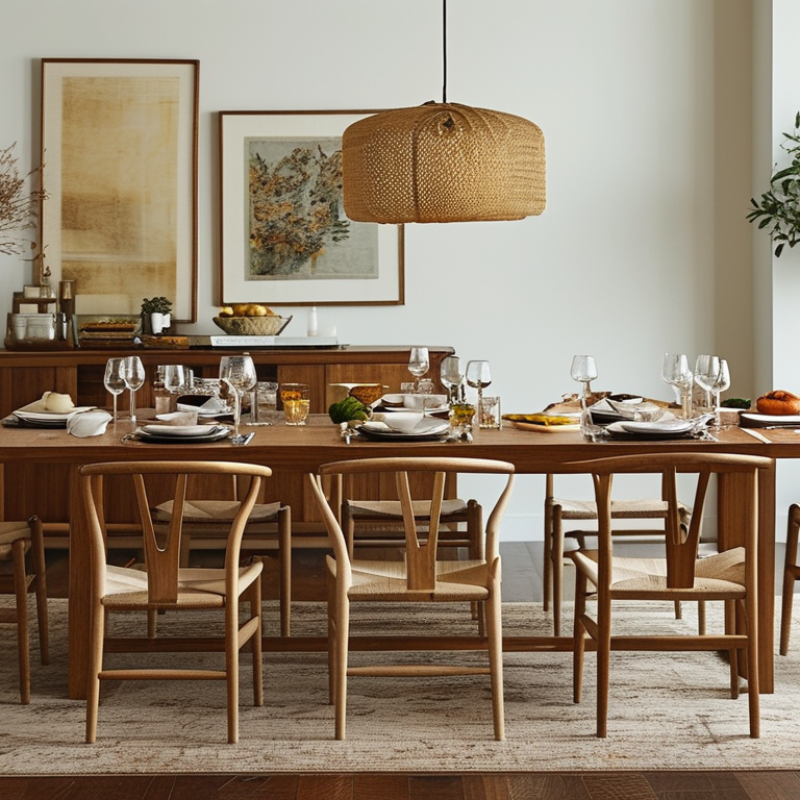
When choosing dining room furniture, understanding your space is crucial. Measure your room to determine how much space you have for a table, chairs, and other pieces. Make sure to account for pathways to ensure guests can move comfortably. A small room might benefit from a round table, which can save space and create a cozy atmosphere.
Consider your style preferences as well. What do you envision when you picture your dining area? Modern, rustic, or classic? Your style should reflect your personality and complement your home décor. Each piece you select contributes to the overall aesthetic. Mixing materials can add depth but be cautious; it’s easy to create a cluttered look.
Tips: Ensure your furniture is functional. Look for extendable tables if you frequently host guests. Choose durable materials that are easy to clean. Lastly, avoid items that don’t fit your lifestyle or needs. Oversized chairs might look great, but they could hinder movement in a smaller space. Make thoughtful choices to ensure your dining room is both beautiful and functional.
Choosing dining room furniture involves understanding materials that ensure both durability and aesthetics. Wood remains a popular choice due to its strength and timeless appeal. Hardwoods, like oak and maple, resist wear and tear effectively. According to a 2022 industry report, 70% of consumers prefer hardwood for longevity. This preference speaks to the value placed on quality materials.
Another noteworthy option is metal. Metal tables, often paired with wooden elements, offer a modern look while being easy to maintain. Corrosion-resistant metals, such as stainless steel, have gained traction. They combine resilience with sleek design, making them ideal for both casual and formal dining spaces.
Tip: Always consider how you'll use the furniture. Heavy use demands tougher materials. Explore mixed materials for unique aesthetics. Unexpected combinations can elevate design while providing functional and durable solutions.
Textiles also play a critical role. Upholstered chairs need durable fabric. Microfiber and leather are excellent choices, offering comfort and easy cleaning. However, they require regular maintenance to keep them looking fresh. Ignoring care can lead to premature aging.
Selecting the right combination of materials can significantly enhance your dining experience. Balance style with functionality to create a space that is both inviting and resilient.
| Material | Durability | Aesthetic Appeal | Maintenance | Cost |
|---|---|---|---|---|
| Solid Wood | Very High | Classic and Warm | Low to Moderate | High |
| Plywood | High | Modern and Versatile | Moderate | Moderate |
| Metal | Very High | Sleek and Contemporary | Low | High |
| Glass | Moderate | Elegant and Airy | High | Moderate |
| Synthetic Materials | Varies | Varies | Low | Low |
Choosing the right dining room seating is essential for comfort and functionality. Look for chairs that suit your style but also provide proper support. Consider materials like wood or upholstered options. These can enhance your dining experience significantly.
When selecting seating, prioritize comfort. Sit in the chairs before purchasing. Ensure your dining chairs provide adequate support. Check for the right height for your table. A good rule is that there should be about 10 to 12 inches between the seat and the tabletop.
Think about your space. If your dining area is small, opt for sleek designs. Folding chairs or benches can save space and still look stylish. Don't forget to consider the flow of the room. Ensure there is enough space to move around comfortably. This might require revisiting your arrangement.
A well-thought-out layout promotes a pleasant dining atmosphere.
Choosing the right dining room furniture requires careful consideration of size and scale. When evaluating your space, think about the dimensions of your dining room. A small area can feel cramped with oversized furniture. Large tables or bulky chairs can overwhelm it. Instead, opt for sleek designs that serve your needs while promoting flow.
Visualize the layout. Ensure that there is ample space for movement. Leave room for people to pull out chairs without bumping into walls or other furniture. A round table can fit snugly into tight spaces, fostering intimacy. However, it may not always accommodate larger gatherings. Balance is key: furnishings should complement each other in size.
Reflect on your lifestyle too. If you often host dinner parties, you may need a larger table. Yet, keep in mind how it might affect day-to-day flexibility. A dining bench may work well for large groups, but can feel less inviting on a regular basis. It’s about finding what suits your life best while maintaining a harmonious look in your dining room.
Incorporating personal touches in your dining area can significantly elevate its appeal. According to recent research by the Furniture Today, personalized spaces enhance the dining experience for 85% of families. Simple accessories can drive this transformation.
Consider adding unique wall art, family photos, or handmade centerpieces. These elements introduce warmth and connection, making the dining room feel inviting.
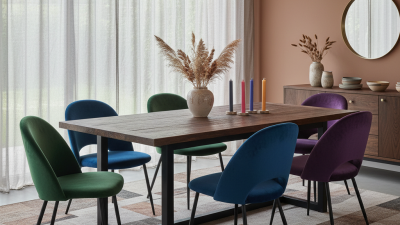
Textiles also play a crucial role. Fabrics like table runners, chair cushions, and curtains can inject personality. The National Home Furnishings Association notes that colorful textiles can boost mood and engagement during meals. Emerging trends show that mixing textures, such as rough linen with smooth silk, creates depth.
Think about layering these materials for an interesting visual effect.
Light plays a pivotal role too. A well-placed pendant or a vintage lamp can completely change the atmosphere. Lighting sets the mood for gatherings. Data shows that softer lighting options encourage longer, relaxed meals. However, it’s essential to balance aesthetics with functionality. An overly cluttered space can hinder enjoyment. Reflect on these aspects to create a perfect dining environment.