How to Choose the Best Wooden Desk Legs for Your Project?
Choosing the right wooden desk legs can significantly impact your project’s overall success. According to the Wood Products Industry report from 2021, the demand for quality wooden furniture has seen a steady increase, with an annual growth rate of more than 5%. This highlights the importance of selecting durable and stylish materials that resonate with current trends. Wooden desk legs not only support functionality but also contribute to the aesthetics of your workspace.
When considering wooden desk legs, materials such as oak, maple, and walnut are popular choices among professionals. Each type of wood provides unique characteristics, influencing strength and appearance. Interestingly, reports indicate that 78% of furniture buyers prioritize sustainability in their purchases. This trend underscores the need for responsibly sourced wood. Selecting the right desk legs can reflect both personal style and environmental considerations.
Incorporating wooden desk legs into your design can present challenges. It's essential to balance style with practicality. Some customers may overlook the importance of leg height or weight capacity, which can lead to dissatisfaction. Reviewing your project requirements is crucial. Additionally, analyzing market trends can help guide your choices, ensuring that your wooden desk legs align with user preferences. Be prepared to reflect on your decisions and adapt as needed.
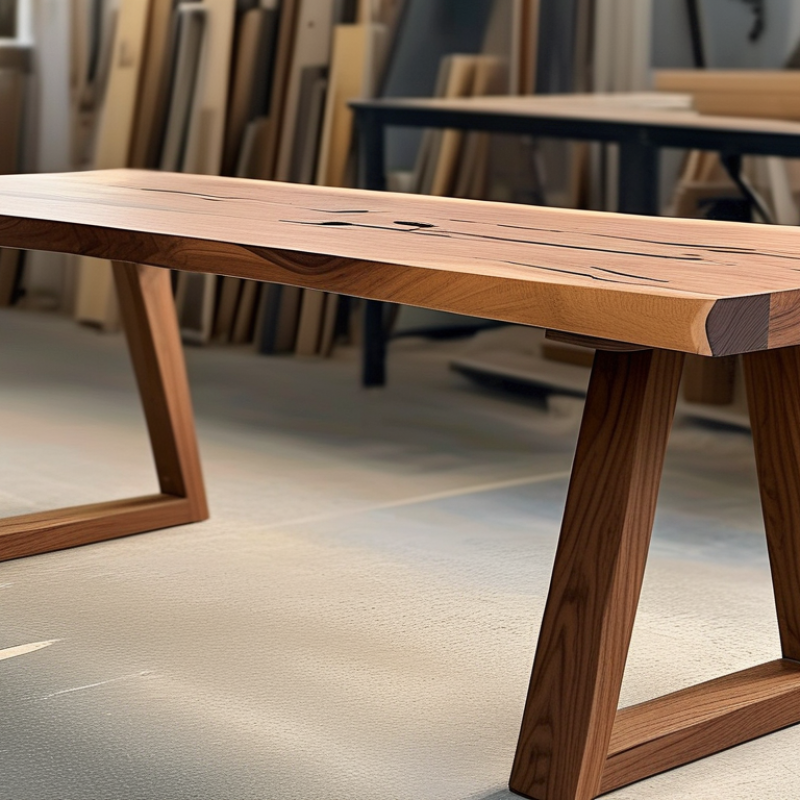
Factors to Consider When Selecting Wooden Desk Legs for Your Project
Choosing the right wooden desk legs is crucial for both aesthetics and functionality. Consider the height of your desk. It should complement the overall design while providing comfortable seating. Measure the height of your chair to ensure a seamless fit. The thickness of the legs is another detail to ponder. Thicker legs can offer more stability, but they may also add visual weight.
Wood type plays a significant role in durability and appearance. Hardwoods like oak or maple provide strength and longevity. They can withstand daily use without showing wear. Additionally, think about the finish. A natural finish highlights the wood grain, while paint can introduce a pop of color. Be mindful of your existing decor and personal style when making this choice.
Finally, quality matters. Inspect the joints and connections of the legs. Poor craftsmanship can lead to wobbly furniture. Personal preferences should also guide your choices. Consider whether you prefer sleek, modern lines or a more traditional look. Each decision you make will impact the final outcome of your project.
Types of Wood Used for Desk Legs and Their Impact on Durability
When choosing wooden desk legs, the type of wood greatly influences durability. Hardwoods like oak and maple are sturdy. They withstand daily wear and mold well to various designs. Softwoods, such as pine, are lightweight and affordable but may not last as long. Be mindful of your project’s needs and choose accordingly.
Tip: Always test wood samples before finalizing your choice. Different woods ages differently, affecting the overall look of your desk. Inspect for cracks and knots. They may indicate weaknesses.
Another consideration is the finish applied to the wood. A good finish protects against scratches and water damage. Some finishes can change the color, which might not suit your taste. You may love the natural look but need a stronger surface. Reflect on your functionality needs when choosing the finish.
In the end, choosing the right wood type is crucial. Ensure you think carefully about your project. Take into account the balance between aesthetic and durability. The final piece should suit both your look and its purpose.
Evaluating Height and Stability Requirements for Wooden Desk Legs
When selecting wooden desk legs, height and stability are crucial. The right height aligns with ergonomic standards. According to the American National Standards Institute, desk heights should range between 28 to 30 inches for optimal comfort. Consider your chair height, too. This balance prevents strain during long hours of use.
Stability is another essential factor. A well-designed leg should support the desk's weight without wobbling. Research from furniture design studies indicates that wider leg bases enhance stability. Opt for legs with a diameter of at least 2 inches to improve support. If you desire adjustable height, ensure the mechanisms can withstand daily use without compromising balance.
Tips: Look for solid wood legs over hollow ones. Solid wood provides better support and durability. Also, consider investing in a leveling system for uneven floors. This can significantly enhance the desk's stability. A slight tilt can affect your productivity. An often-overlooked element is the finish of your legs. A durable finish not only adds beauty but also protects against wear.
Ensure your choice reflects both style and functionality. Discovering the right balance may take time and experimentation. Evaluate your specific needs before finalizing your options.
Understanding Finishing Options for Aesthetic Appeal and Protection
When choosing wooden desk legs, the finishing options are crucial for both aesthetics and protection. A well-finished leg enhances the overall look of your desk. Various types of finishes exist, each offering unique qualities. Oil finishes enrich the wood’s natural color, giving it a warm and inviting appearance. However, they may require reapplication over time to maintain their beauty.
On the other hand, polyurethane finishes provide a strong protective layer. This finish resists scratches and moisture, making it a durable option. Its glossy appearance can elevate a design but may not suit every preference. Natural alternatives like beeswax offer simple protection but often need frequent application and might not hold up against heavy use.
Consider the purpose of your desk when selecting a finish. If your workspace will experience high traffic, choose a finish that prioritizes durability. Aesthetics should not be overlooked, either. Reflect on how different finishes align with your style. Testing finishes on a small area can help guide your choice. The right balance between beauty and practicality leads to a successful project.
How to Choose the Best Wooden Desk Legs for Your Project? - Understanding Finishing Options for Aesthetic Appeal and Protection
| Leg Type |
Material |
Finish Options |
Aesthetic Appeal |
Protection Level |
| Square Legs |
Solid Wood |
Stain, Varnish |
Modern, Minimalist |
Moderate |
| Hairpin Legs |
Steel & Wood |
Powder Coating, Oil |
Industrial, Contemporary |
High |
| Tapered Legs |
Pine Wood |
Lacquer, Wood Wax |
Classic, Elegant |
Moderate |
| Cross Legs |
Hardwood |
Natural Oil, Stain |
Rustic, Unique |
High |
Cost-Effectiveness: Comparing Custom vs. Pre-Made Wooden Desk Legs
When selecting wooden desk legs, cost-effectiveness is a crucial factor. Custom legs offer a unique aesthetic tailored to your project. However, they can often come with a hefty price tag. Pre-made legs are typically more affordable and readily available. They provide a balance of quality and cost without compromising appearance. Consider the specific needs of your desk design and budget constraints.
Tips for saving on desk legs: Explore local woodworking shops. Often, they sell legs at a fraction of custom prices. Also, consider using reclaimed wood. It can offer a distinct look while being budget-friendly. Look for promotions on pre-made legs to maximize savings.
While custom legs can be ideal, they may take longer to produce. Delivery delays can affect your project timeline. On the other hand, pre-made options are immediately usable, simplifying the assembly process. This might lead you to sacrifice personalization. However, the ease of installation often outweighs that consideration. As you ponder your choices, reflect on what matters most: budget, time, or unique design. Each option has merits and drawbacks, so weigh them carefully.
Cost-Effectiveness: Comparing Custom vs. Pre-Made Wooden Desk Legs