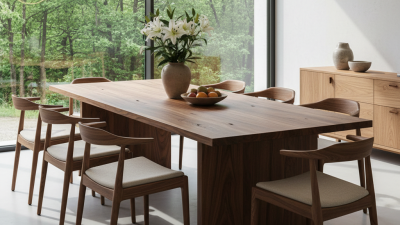
How to Choose a Solid Wood Dining Room Table for Your Home?
Choosing a solid wood dining room table for your home requires careful consideration. "A dining room table is not just furniture; it’s the centerpiece of family gatherings," says expert Mark Johnson, a renowned interior designer specializing in sustainable materials. His insight highlights the significance of a well-chosen dining room table solid wood piece.
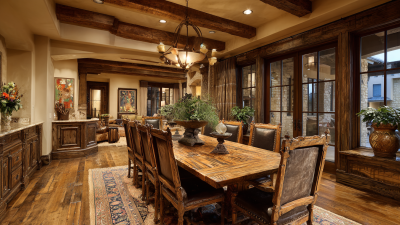
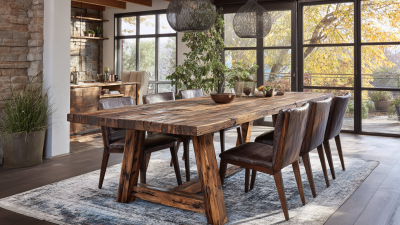
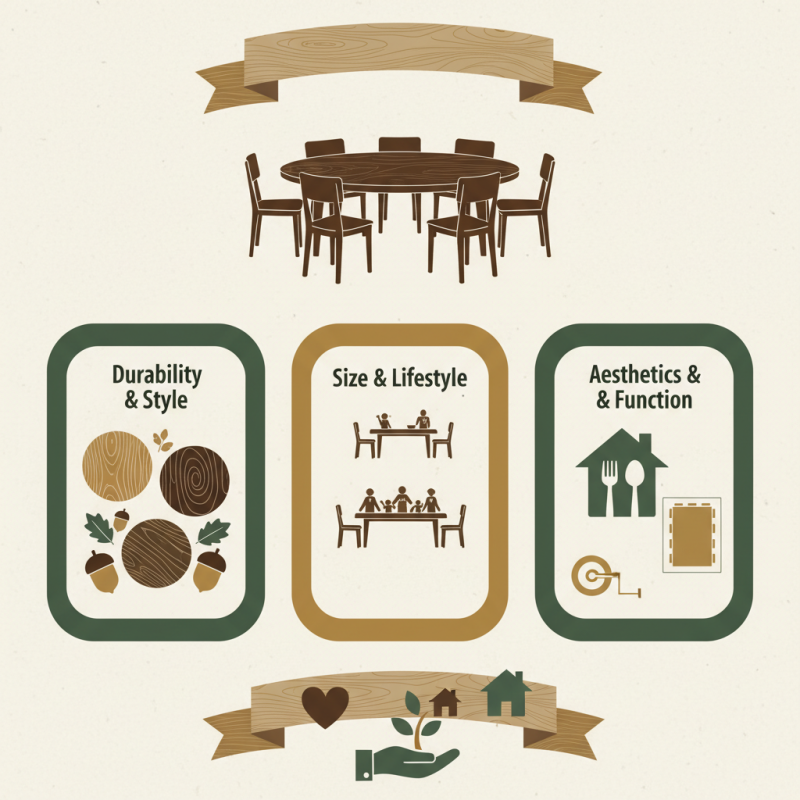
When selecting the right dining room table solid wood option, think about durability and style. Different wood types offer unique grains and colors. For instance, oak provides a classic look, while walnut adds richness. It's essential to balance aesthetics with functionality. A table design should complement your decor and accommodate your family's needs.
Don’t rush the decision. Reflect on your lifestyle. If you often host large gatherings, a bigger table may be necessary. Ensure that your chosen piece fits both your space and vision. In the end, investing in a quality solid wood table will enhance your dining experience for years to come. Remember, this choice shapes the heart of your home.
Understanding Different Types of Solid Wood Used in Dining Tables
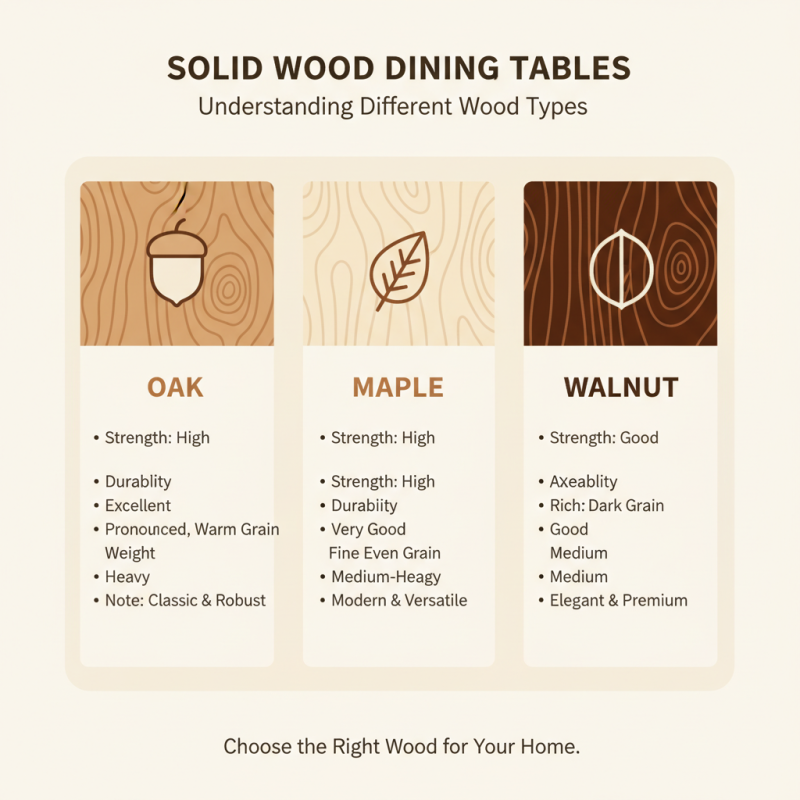
When choosing a solid wood dining table, understanding the types of wood is crucial. Each type has unique characteristics that impact durability and aesthetics. Oak, for instance, is strong and durable. Its grain is attractive, adding warmth to any dining space. However, oak can be heavy and may not suit all homes.
Maple is another popular choice. Its light color and smooth finish appeal to many. Maple is slightly softer than oak, making it prone to scratches but easier to work with. Additionally, it can stain beautifully, providing a custom look. Yet, one should consider its maintenance requirements.
Cherry wood offers a rich, luxurious finish that deepens over time. While it’s softer, its beauty captivates many homeowners. Yet, it may not hold up in high-traffic areas and might need extra care. Understanding these nuances helps in making an informed decision. Each type has advantages and drawbacks worth contemplating.
Evaluating the Size and Shape of Your Dining Room Space
When choosing a solid wood dining room table, understanding your space is crucial. According to the National Kitchen and Bath Association, a dining area typically requires 24 to 30 inches of space per person to dine comfortably. This means, for a table intended for six, you'll want a minimum of 144 inches of length when factoring in space for chairs and movement.
The shape of your dining room will influence your table selection. Rectangular tables work well in long, narrow spaces. Round and square tables, however, can enhance a cozy atmosphere in smaller areas. A study by the American Society of Interior Designers indicates that round tables can facilitate conversation better compared to traditional rectangular ones. Keep in mind how your table will interact with lighting and other furniture.
It's essential to recognize potential challenges. An oversized table can dominate the room and make it feel cramped. Conversely, a table that’s too small may feel insignificant. Use painter's tape to visualize the area your table would occupy. This practical approach allows for better spatial awareness and helps to clarify scale before you make a purchase.
Assessing Quality: Joinery Techniques and Craftsmanship
When selecting a solid wood dining room table, pay close attention to the joinery techniques used in its construction. High-quality joinery not only enhances durability but also affects the table's overall aesthetic appeal. Dovetail joints and mortise-and-tenon joints are markers of superior craftsmanship. These methods create a sturdier structure compared to simpler techniques. Look for tables that showcase visible craftsmanship; this can indicate the level of care and detail involved in their creation.
Craftsmanship is often reflected in the finish as well. A well-crafted table should have a smooth, even finish that highlights the natural beauty of the wood. Imperfections in the surface, like scratches or uneven spots, can be a sign of rushed work. Examine the edges and corners; they should feel polished and well-defined. Consider how these features impact not just appearance but usability. Is the table easy to clean? Does it feel sturdy when you lean on it? These practical aspects help ensure your dining experience remains enjoyable.
As you assess quality, remember that perfection is rare. Some tables may have subtle, unnoticeable flaws, which can add character. Instead of shunning those features, think about how they relate to the history of the wood. A table is more than just furniture; it's a centerpiece that can hold countless memories. Prioritize heart and craftsmanship over sheer perfection.
Choosing the Right Finish for Longevity and Aesthetics
Choosing the right finish for a solid wood dining room table is crucial. It impacts both longevity and aesthetics. A durable finish protects against scratches and stains, making daily use easier. For instance, finishes like polyurethane provide a hard surface that resists damage. Data indicates that tables finished with high-quality polyurethane can last up to 20 years.
However, not all finishes suit every wood type. Oil-based finishes penetrate deeply but can darken the wood over time. Conversely, water-based finishes are lighter and easier to apply but may not offer the same durability. According to Woodworking Network, over 50% of furniture makers prefer oil-based products for toughness but recognize the need for careful maintenance.
Consider the environment of your dining room. Finishes must withstand heat and moisture from food and drink. Many homeowners overlook this aspect. A seemingly perfect finish can age poorly if not chosen wisely. It's essential to weigh options and think about usage patterns. Aesthetic choices often lead to regrettable decisions down the line. Prioritize finishes that marry beauty with practicality.
Determining Your Budget and Shopping Options for Solid Wood Tables
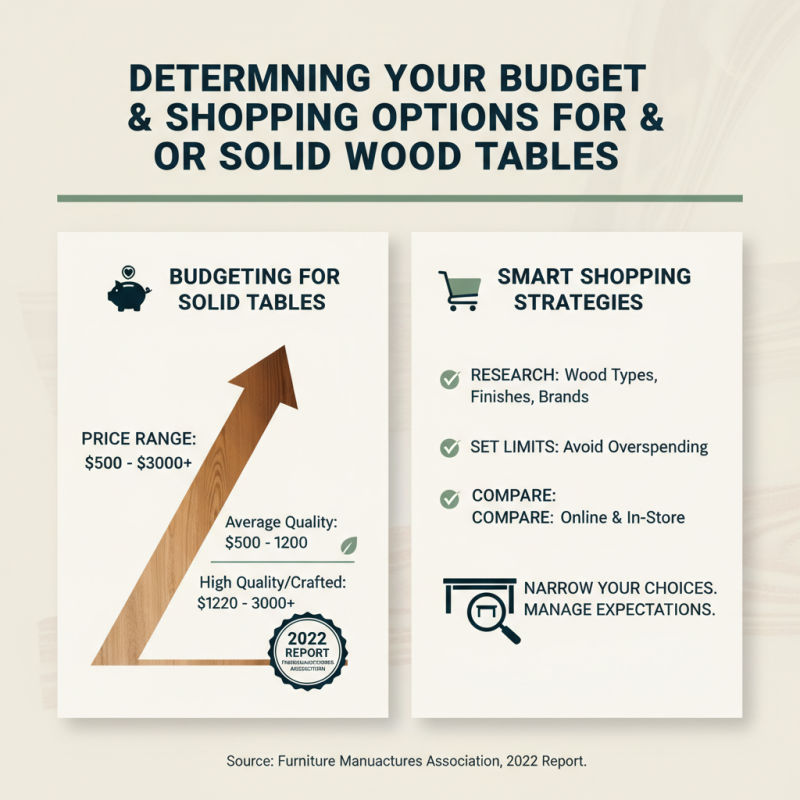
When shopping for a solid wood dining room table, budget and options are crucial. Solid wood tables can vary significantly in price. According to a 2022 report from the Furniture Manufacturers Association, prices for a quality solid wood dining table range from $500 to over $3,000. Understanding your budget helps narrow choices and manage expectations.
Consider your needs carefully. A smaller family may not require a large table, which can save money in the long run. If you love hosting, consider investing more in a durable, spacious option. Quality wood, like oak or walnut, has greater longevity. A recent survey indicated that consumers expect a lifespan of 15-20 years from solid wood tables.
Also, explore shopping options. Local artisans often offer unique, handcrafted pieces. Online retailers can provide convenience and competitive pricing. However, seeing a table in person provides insight into its true quality. A significant number of buyers report that photos can misrepresent wood grain and color. Reflect on where you will find the best value for your specific needs.