Why Choosing the Right Dining Room Furniture Matters for Your Home
Choosing the right dining room furniture is essential for creating a welcoming atmosphere in your home. According to Jennifer Adams, a renowned interior designer specializing in dining spaces, "The right furniture transforms not just a room, but the entire dining experience." This highlights the importance of thoughtful selections in dining room furniture.
Your dining area often serves as the heart of your home. It's where family gathers and friends come together. Selecting furniture that fits your style and needs can significantly impact this space. While individual tastes may vary, certain fundamental aspects remain constant. Comfort, functionality, and aesthetics play crucial roles in these decisions.
Many people overlook the practicality of dining room furniture. They often rush into choices based solely on appearance. However, durable materials and the right size are equally vital. Neglecting these can lead to disappointment over time. A dining set that feels cramped or uncomfortable can deter family gatherings. Reflecting on these factors is crucial for making the best choices.
Importance of Dining Room Furniture in Home Aesthetics
The dining room is the heart of a home. It’s where families gather and create memories. Choosing the right furniture plays a crucial role in enhancing this experience. It can elevate the room's aesthetics significantly.
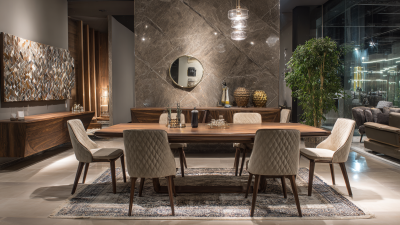
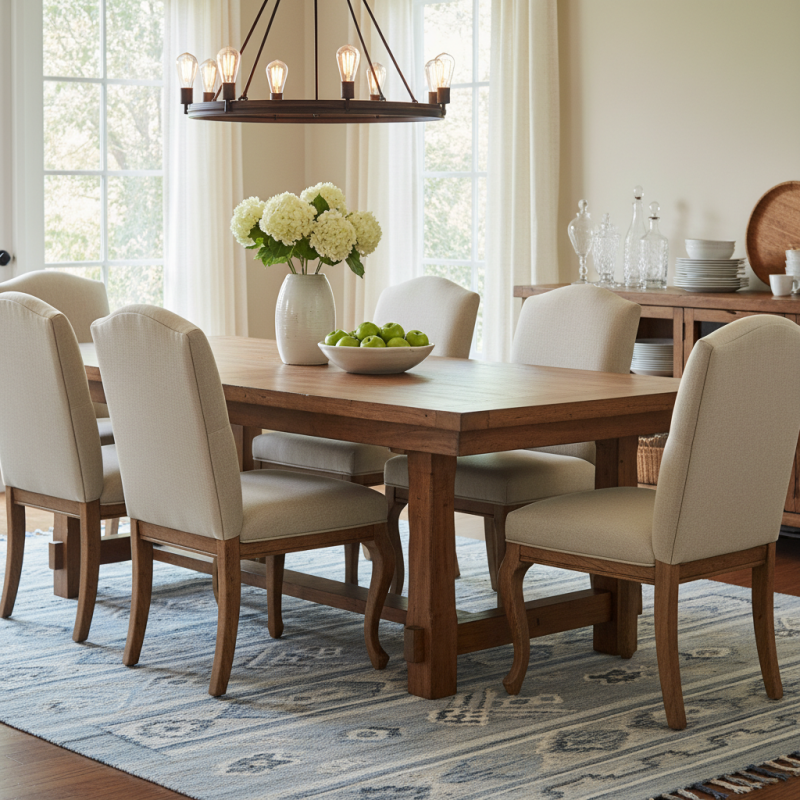
Selecting the appropriate dining table is essential. Consider the shape and size. A round table can encourage conversation, while a long rectangular one may better suit larger families. Chairs also matter. Comfort should go hand in hand with style. Upholstered seats can add warmth, while wood offers durability.
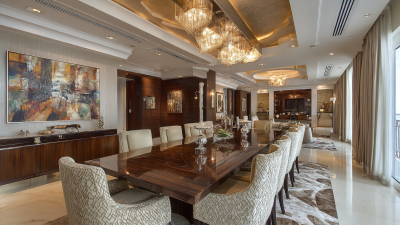
Lighting is another vital aspect often overlooked. A beautiful chandelier or pendant light can draw the eye. It creates a welcoming atmosphere. Reflect on the overall theme you wish to convey. An eclectic mix can feel homey, while a uniform set can bring polished elegance. The wrong choices can lead to an uninviting space. Assess your needs and preferences carefully for a truly cohesive dining area.
Factors to Consider When Selecting Dining Room Furniture
Choosing dining room furniture is not a trivial task. It influences your home’s style and function. It impacts family gatherings and entertaining guests. According to industry reports, comfort and quality are top priorities for 75% of consumers when selecting dining room pieces.
Think about size. Measure your space before shopping. A crowded room can feel chaotic. Aim for at least 36 inches between the table and walls. This allows for easy movement. Material matters too. Solid wood is durable and timeless. However, it may be pricier. Consider your lifestyle. If you have young children, choose easy-to-clean surfaces.
Color and style should reflect your personality. Trends show that neutral colors are popular. They create a versatile backdrop for many decor styles. Yet, adding a pop of color can make a statement. Don’t overlook the importance of comfort. Chairs should support the back for extended dinners. Test before you buy. Sit and feel the difference. Making the right choice enhances both your space and your dining experience.
Types of Dining Room Furniture and Their Functionalities
Choosing the right dining room furniture is essential for both comfort and functionality. The dining table is the centerpiece. It sets the tone for gatherings. A wooden table can add warmth, while a glass one evokes modernity. Research shows that 74% of homeowners consider table size crucial for optimal use. A smaller table promotes intimacy, while larger ones accommodate more guests.
Chairs are equally important. Ergonomics should guide your decision. A well-designed chair enhances comfort during long meals. Industry reports indicate that 64% of users prefer chairs with proper lumbar support. It’s vital to balance aesthetics and comfort. Additionally, storage options like sideboards can increase functionality. They help organize dining essentials and reduce clutter.
The overall style should reflect your home’s design. A mismatch can lead to an unwelcoming atmosphere. Some homeowners find this challenging. Mixing different styles can yield unique results but requires thoughtful planning. Remember, your dining room is more than a space; it’s where memories are made. Investing time in selection pays off in experiences shared around the table.
Impact of Dining Room Furniture on Social Interactions
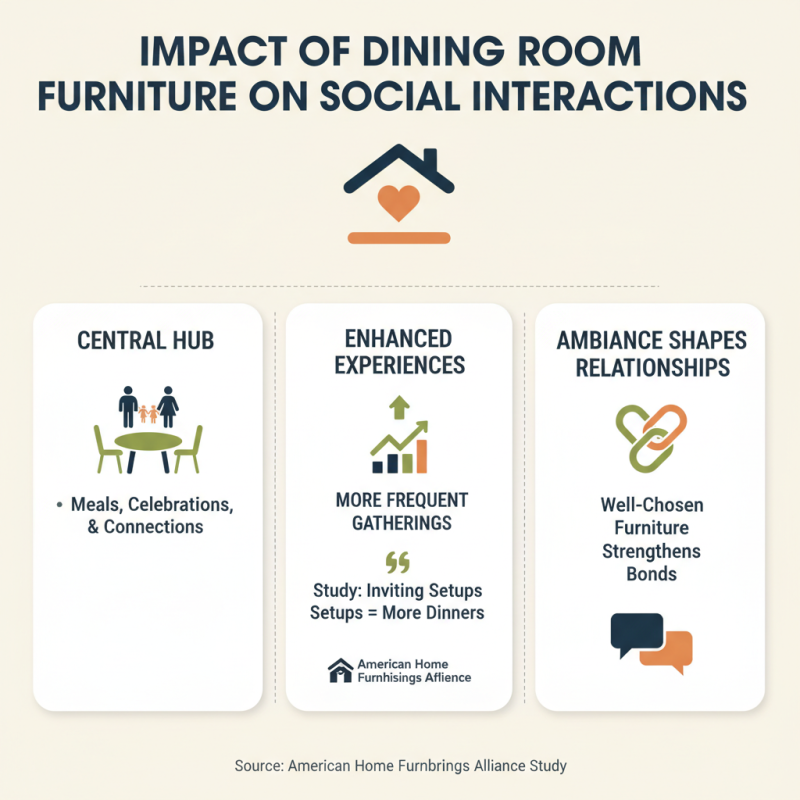
The dining room is a central hub in any home. It serves as a venue for meals, celebrations, and social interactions. Research shows that well-chosen dining room furniture can significantly enhance these experiences. For example, a study by the American Home Furnishings Alliance revealed that homes with inviting dining setups tend to have more frequent dinner gatherings. The ambiance shapes relationships.
Choosing the right furniture can invite conversation and comfort. A comfortable chair encourages guests to linger, while a spacious table allows for leisurely meals. In fact, the National Association of Home Builders found that 75% of homeowners prioritize dining spaces that foster community. However, not all setups achieve this. Crowded or mismatched furniture can create a sense of discord. Reflecting on personal choices can lead to better designs that promote connection.
A well-designed dining room holds power. It can transform an ordinary meal into a memorable experience. Yet, not every dining arrangement creates this magic. Some layouts may hinder genuine exchanges. It's crucial to consider how furniture choices affect interactions. Thoughtfulness in design can make a significant difference in the way families and friends connect.
Tips for Maintaining and Caring for Dining Room Furniture
Maintaining and caring for dining room furniture is essential for longevity and aesthetics. A study conducted by the National Association of Home Builders found that well-maintained furniture increases home value by up to 15%. Regular care extends the lifespan of your pieces and keeps them looking fresh.
To protect wood surfaces, regularly dust with a soft cloth. A simple solution of vinegar and water can help remove grime. Avoid placing hot dishes directly on wood; always use coasters. For upholstered furniture, vacuum weekly to prevent dirt buildup. Stains should be addressed promptly, as they can become permanent over time.
Humidity levels can affect furniture integrity. Aim for a balanced environment of 30-50% humidity. Too much moisture can cause warping, while too little can dry out the wood. Consider investing in a humidifier or dehumidifier based on your local climate. Remember, small habits can lead to significant benefits in preserving your dining space's beauty.