page-head

Blog

Why Choosing the Right Dining Room Furniture Can Transform Your Home Aesthetic

Choosing the right dining room furniture is a critical aspect of home design that can significantly enhance the overall aesthetic of a living space. According to renowned interior designer Sarah Thompson, "The dining room is the heart of the home; it reflects your style and sets the tone for gatherings, both intimate and grand." By selecting pieces that not only serve a function but also embody your personal taste, you can create an environment that resonates with warmth and sophistication.

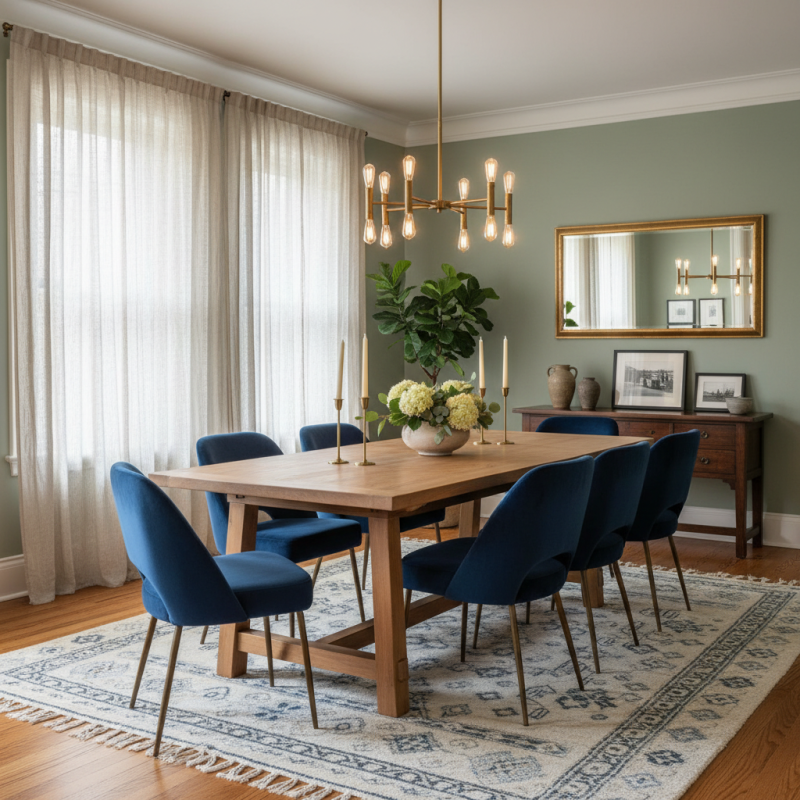
Incorporating well-chosen dining room furniture can transform an ordinary space into an extraordinary one. The right table, chairs, and accessories can help define the atmosphere, whether it be a cozy nook for family dinners or an elegant setting for entertaining guests. The textures, colors, and styles of your dining room furniture can harmonize with the overall decor of your home, making it a cohesive haven of comfort and beauty.

As we explore the impact of dining room furniture on your home aesthetic, it becomes clear that conscious selection can lead to a more inviting and stylish dining area. By understanding the nuances of design and the potential of furniture in setting a mood, homeowners can make informed choices that elevate their entire living space.
Why Choosing the Right Dining Room Furniture Can Transform Your Home Aesthetic

The Impact of Dining Room Furniture on Home Aesthetics: An Overview

Dining room furniture plays a crucial role in defining the overall aesthetic of your home. The choice of materials, styles, and colors significantly influence not only the dining area but also the adjacent spaces, creating a cohesive design flow. For instance, a rustic wooden table can evoke a warm, homey feeling, while sleek, modern glass tables might introduce a more minimalist, contemporary vibe. This interaction between furniture and aesthetics extends beyond mere visuals; it affects the atmosphere, mood, and even the functionality of the space.

Moreover, the layout and arrangement of dining room furniture impact how the area feels and operates. A well-designed dining room fosters comfort and encourages gatherings, enhancing social interactions. The right choice in furniture—be it chairs that invite guests to linger or a buffet that provides both utility and style—can elevate the experience of dining at home.

This transformation is not merely about appearance; it creates a space where memories are made, ensuring that the dining room remains a central and cherished part of home life. The careful selection of dining room furniture, therefore, serves as a key element in crafting an inviting and aesthetically pleasing home environment.
Key Factors in Choosing Dining Room Furniture: Style, Size, and Function

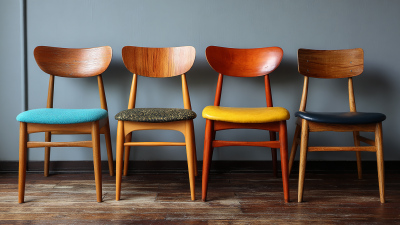
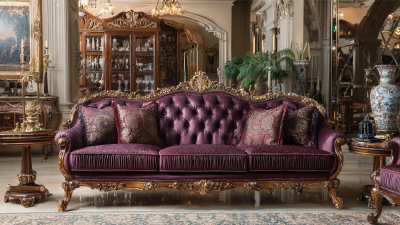
Choosing the right dining room furniture is essential for creating a space that is both functional and aesthetically pleasing. One of the key factors is style. Whether you are drawn to a modern minimalist look or a more traditional design, the furniture you select should reflect your personal taste and complement the overall theme of your home. From sleek tables with clean lines to ornate chairs that add character, the style of your dining room furniture plays a pivotal role in setting the mood for gatherings and everyday meals.

Size is another vital consideration when selecting dining room furniture. It's crucial to measure your space accurately to ensure that the table and chairs fit comfortably without overcrowding the room. A larger dining table can become a statement piece for hosting family dinners, while a smaller, round table may create an intimate setting for casual meals. Additionally, think about the scale of the furniture in relation to other elements in the room, such as cabinets or shelves. Choosing the right size helps maintain balance and enhances flow, ensuring that your dining area feels spacious and inviting.

Functionality should not be overlooked either. Consider how you plan to use the dining room—will it be primarily for formal dinners, casual breakfasts, or multi-purpose gatherings? This consideration will dictate your choices. Look for furniture that not only looks good but also meets your practical needs. Extendable tables, for example, can adapt to different group sizes, while upholstered chairs may provide extra comfort for extended family meals. By focusing on these key factors—style, size, and function—you can create a dining room that transforms not only the space but the way you and your guests experience dining.

Statistics on Home Value Increase through Quality Dining Room Furniture

Choosing the right dining room furniture is more than just a matter of comfort and style; it can significantly impact the overall value of your home. Recent studies indicate that investing in high-quality dining sets can yield a notable return on investment. Homes featuring well-crafted dining furniture can see a value increase of up to 10%, according to real estate experts. This enhancement is particularly appealing to potential buyers who often view the dining area as a central gathering space for family and friends.

Additionally, statistics show that homes showcasing cohesive and stylish dining room designs tend to spend less time on the market. An aesthetically pleasing dining space not only elevates the ambiance of the home but also reflects a homeowner's attention to detail and care for their living environment. As a result, prospective buyers are more likely to envision themselves hosting dinners and celebrations in such a well-appointed setting. Investing in quality dining room furniture can therefore be seen as an investment in your home's future marketability, creating an inviting atmosphere that captures interest and fosters emotional connections.

The Role of Color and Material in Enhancing Dining Room Ambiance

When it comes to dining room aesthetics, the interplay of color and material plays a pivotal role in setting the mood and enhancing the overall ambiance. According to a survey by the National Kitchen and Bath Association, approximately 60% of homeowners consider dining room color schemes as the defining element of their home design. Colors like warm neutrals and soft pastels create a welcoming environment, while bold colors can serve as a focal point that elevates the dining experience. Understanding the psychology behind colors—such as how blue evokes calmness and yellow can stimulate appetite—can guide homeowners in making informed decisions that align with their desired atmosphere.

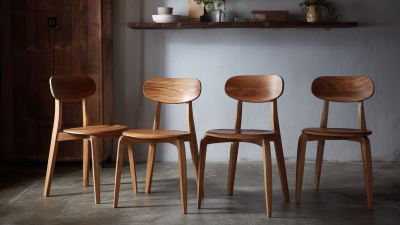
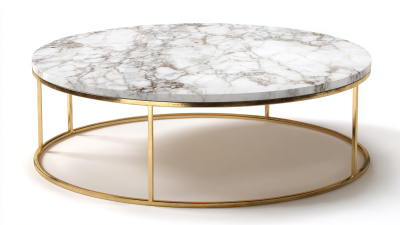
Material selection is equally crucial in creating a cohesive dining room vibe. According to the American Home Furnishings Alliance, 78% of consumers prioritize quality materials for their furniture, not only for durability but also for aesthetic appeal. Natural materials like wood and stone offer a timeless elegance while introducing organic textures that can warm up a space. In contrast, modern materials such as metal and glass can lend a contemporary edge, making the dining area feel more chic and sophisticated. By carefully curating a palette of colors and choosing the right materials, homeowners can dramatically transform their dining room into a harmonious space that reflects their personal style and enhances their home’s aesthetic appeal.

Why Choosing the Right Dining Room Furniture Can Transform Your Home Aesthetic

Furniture Type Material Color Palette Ambiance Impact
Dining Table Wood Natural Tones Warm and Inviting
Dining Chairs Metal Bright Colors Modern and Energetic
Buffet Table Glass Clear and Minimalist Sleek and Open
Sideboard Wood Dark Shades Elegant and Classic
Dining Bench Fabric and Wood Earthy Tones Casual and Cozy

Trends in Dining Room Furniture Design: Sustainability and Minimalism

Why Choosing the Right Dining Room Furniture Can Transform Your Home Aesthetic

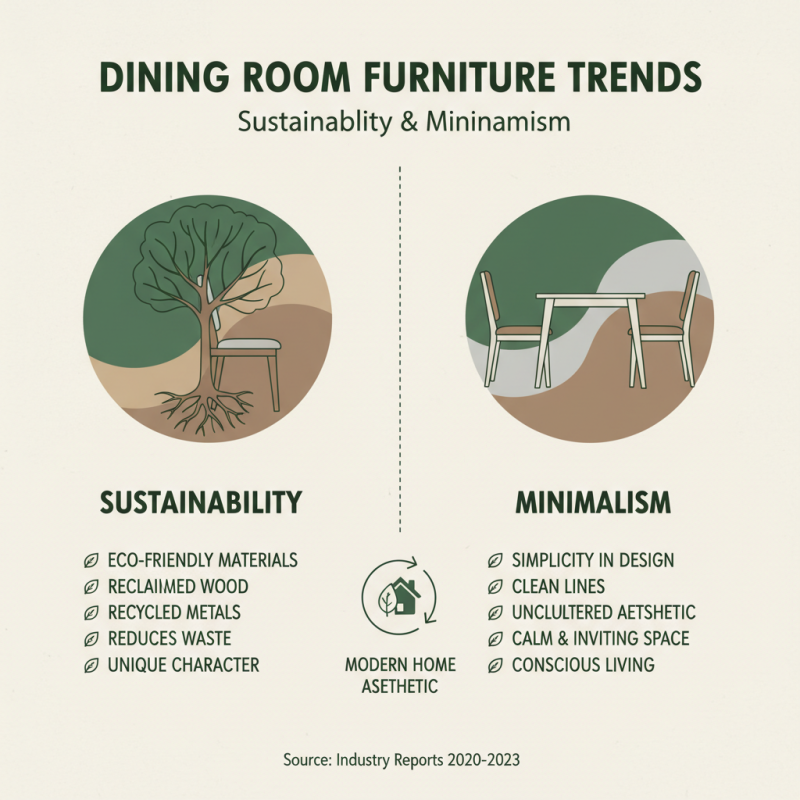
In recent years, dining room furniture design trends have shifted significantly towards sustainability and minimalism, reflecting a growing awareness of environmental issues and a desire for simplicity in home aesthetics. Sustainable furniture focuses on using eco-friendly materials, such as reclaimed wood and recycled metals, which not only reduce waste but also add a unique character to each piece. This approach appeals to environmentally conscious consumers looking to create a warm and inviting dining space without compromising their values.

Minimalism, on the other hand, emphasizes clean lines and a clutter-free environment, promoting functionality alongside beauty. This design ethos encourages the use of fewer, more meaningful pieces that can serve multiple purposes, such as extendable dining tables or storage-integrated benches. By embracing a minimalist aesthetic, homeowners can cultivate a serene atmosphere that enhances the dining experience while allowing the beauty of the materials to shine through. Together, these trends highlight a powerful shift towards creating dining spaces that are not just visually appealing but also mindful of their environmental impact.