Solid Wood Dining Room Table Tips for Choosing the Best?
Choosing the right dining room table solid wood can significantly influence your home’s aesthetic and functionality. Solid wood tables bring warmth and charm to any dining space. Their durability ensures they can withstand daily use, making them a practical investment for families. However, picking the best option isn't always straightforward.
Consider the size of your dining area. A table that is too large may overwhelm the room. Conversely, a small table might leave little space for movement. Also, think about the wood type. Different woods, like oak or cherry, can show various grains and colors. This variety can affect the table’s overall look and feel.
Budget is another critical factor. Solid wood dining tables can vary greatly in price. Spending less may mean compromising on quality. Reflect on your needs and style to make a well-informed decision. Remember, a dining table is not just furniture; it’s the centerpiece of gatherings.
Understanding Different Types of Solid Wood for Dining Tables
When choosing a solid wood dining table, understanding the types of woods available is crucial.
Oak, walnut, and cherry are among the most popular options.
Oak is known for its strength and durability. It can resist scratches and dents effectively.
Research shows that oak tables can last many years, often becoming family heirlooms.
Walnut, on the other hand, is prized for its rich color and grain patterns. It tends to be softer and may require more care.
Cherry wood has a unique appeal, gradually deepening in color over time.
Its fine grain makes it a favorite in many homes. However, it also dents more easily than oak or walnut.
This means that maintenance is essential. According to a study by the American Hardwood Information Center, nearly 60% of consumers prefer solid wood for its aesthetic and longevity.
Despite this preference, many overlook the potential for scratches and water rings.
You should also consider sustainability. Some woods are harvested unsustainably, impacting forests and wildlife.
Look for tables made from reclaimed wood or certified sources. While solid wood offers beauty, understanding these factors will lead to a better choice.
You may question the durability of softer woods. It’s worth reflecting on how often you dine with family.
A wood table needs to suit your lifestyle.
Evaluating Size and Shape for Your Dining Room Space
Choosing the right size and shape for your dining room table is crucial. A table that is too large can overwhelm the space. Conversely, a table that is too small may not provide enough seating. Measure your area carefully. Consider both the dimensions and the layout of your room. You need at least three feet of space around the table for movement.
Round tables are great for smaller spaces. They create a more intimate dining experience. They also eliminate sharp corners, making them safer for children. Square tables fit well in square rooms. They allow you to maximize seating. However, they can feel cramped in long, narrow spaces. Reflect on how you will use the table. Will it be just for family? Or will you host friends often?
Don’t forget about the height. Standard dining tables are usually 28 to 30 inches high. Your chairs should complement this height for comfort. It’s a good idea to sit at different tables in showrooms. This will help you understand what works best for your needs. Consider the style too. A table that complements your decor can enhance the entire room.
Solid Wood Dining Room Table Tips for Choosing the Best
| Dimension |
Recommended Size |
Shape |
Ideal For |
| Small |
4 to 6 seats |
Round |
Compact spaces, apartments |
| Medium |
6 to 8 seats |
Rectangle |
Family dining, spacious areas |
| Large |
8 to 10 seats |
Oval |
Banquets, large gatherings |
| Extra Large |
10+ seats |
Rectangle or Custom |
Holding events, large families |
Considering Style and Aesthetic for Your Dining Table
When choosing a solid wood dining table, the style and aesthetic play a crucial role. Consider your home's existing decor. A
modern table might look out of place in a rustic setting. Look for pieces that complement your space instead of clashing.
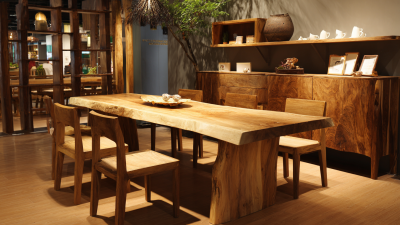
For instance, a reclaimed wood table can bring warmth and character to a sleek, minimalist home.
Textures matter as well. A raw, unfinished surface can add a touch of nature. Conversely, a smooth, polished finish conveys elegance. Think about the vibe you want to create.
Do you prefer cozy family gatherings or formal dinner parties? The style of your table sets the tone for these moments.
Remember that imperfections, like natural grains and knots, create unique features. Embrace them; they tell a story.
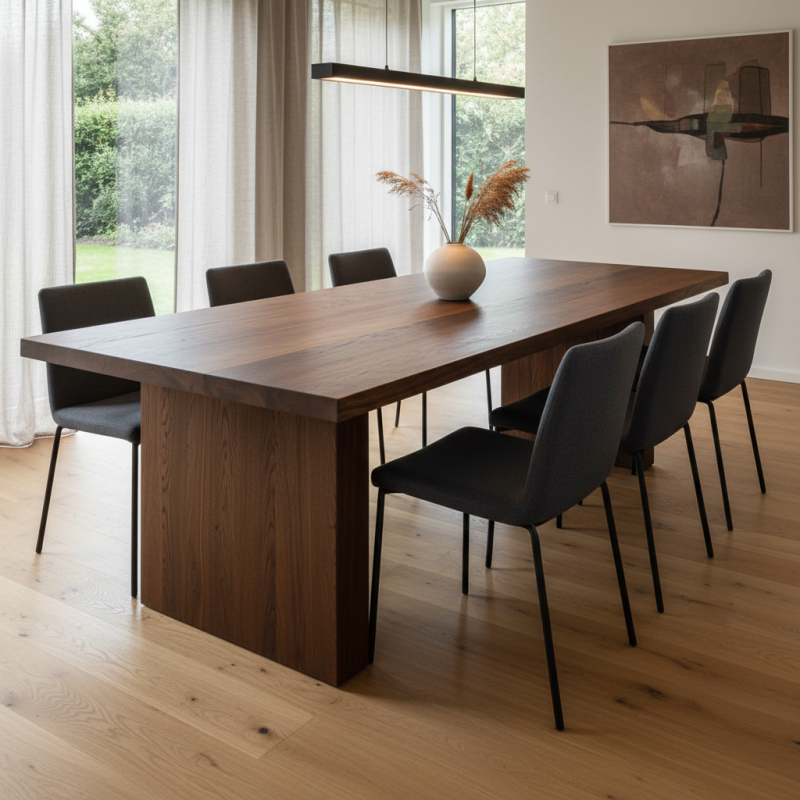
Color is another essential aspect. Dark woods exude sophistication, while lighter tones feel airy and open. However, be mindful of how these colors interact with your walls and surrounding furniture.
Sometimes, it’s not just about matching but contrasting to create interest. Don't shy away from experimenting. Finding the right balance may take some time, but it is worth the effort for a beautiful dining space.
Assessing Durability and Maintenance Requirements
When choosing a solid wood dining table, durability is crucial. Different wood types offer varying strengths. Hardwoods like oak and maple are known for their resilience. They withstand the rigors of daily use. Softer woods, however, may dent or scratch more easily. Consider your lifestyle when selecting.
Maintenance is another key factor. Regular cleaning helps preserve the table's beauty. Wipe it down with a soft cloth and mild soap. Avoid harsh chemicals that can damage the finish. Some tables may need periodic refinishing. This can be a daunting task and needs planning. Wood also reacts to humidity, so keeping it stable is essential.
Think about the long-term care needs. Will you mind occasional scratches and wear? If so, you might reconsider your choice. A dining table is more than just furniture; it's part of your home. Ensure it fits your routine and your willingness to maintain it. A balance between durability and maintenance is vital for your perfect dining experience.
Solid Wood Dining Room Table Durability and Maintenance Assessment
Setting a Budget and Finding Quality Options
When setting a budget for a solid wood dining room table, it's crucial to consider your needs and space. The average cost for a quality solid wood dining table ranges from $800 to $2,500, depending on size and craftsmanship. According to a recent industry report, 65% of buyers prioritize durability over design. Therefore, investing in quality materials can result in a longer-lasting piece.
Consider the type of wood. Oak, maple, and cherry varieties have unique characteristics and price points. Oak tends to be more affordable and durable. Cherry offers a rich, warm tone but can be pricier. Maple falls somewhere in between.
Tips: Research the grain and finish. Look for sustainable sourcing certifications. Test the sturdiness before purchase. Many buyers overlook these details, leading to buyer's remorse later. Ensure the table fits your family’s lifestyle and dining habits. Reflect on how often you host gatherings. This might affect your budget and choice of table. Every decision shapes your dining experience.