page-head

Blog

Why Choose Luxury Furniture for Your Home?

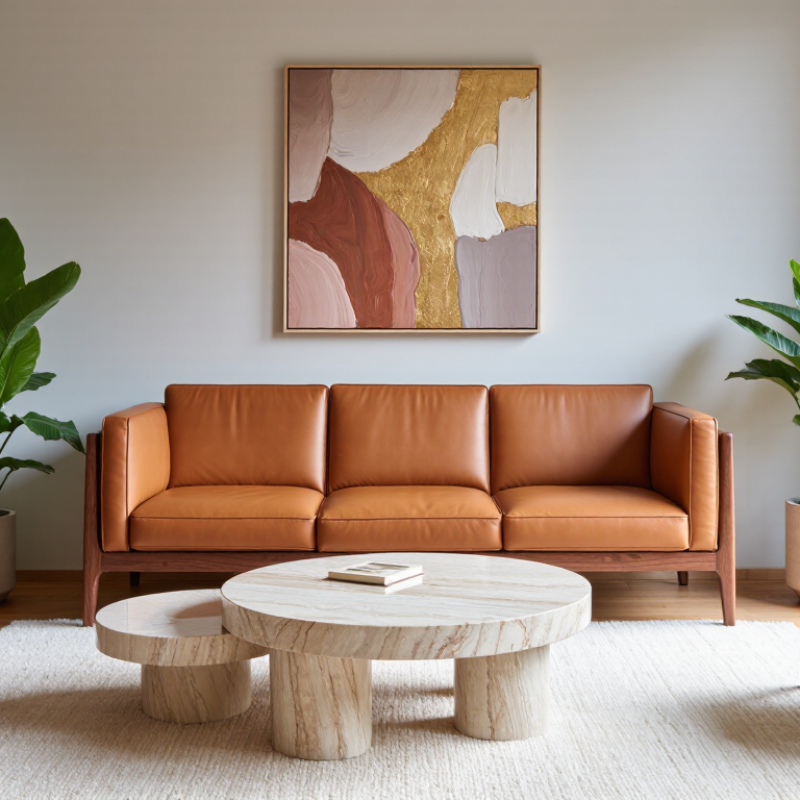
Why choose Furniture Luxury for your home? The answer begins with more than appearance. A well-made sofa, dining table, or cabinet can shape how a room feels every day. It may support better posture, calmer routines, and longer use. Materials also become part of the experience. Think hand-finished walnut, cool travertine, and leather that softens with age.

Market evidence supports this interest. Grand View Research estimates that the global luxury furniture market will continue growing through 2030, driven by premium housing, design awareness, and demand for customized interiors. The 2024 Luxury Goods Worldwide Market Study by Bain & Company also identifies personalization, quality, and meaningful experiences as major luxury priorities. However, market figures vary. Different reports define “luxury furniture” differently, so no single number should be treated as absolute.

The strongest case is practical. High-quality construction can reduce replacement costs and preserve a piece’s emotional value. Interior designer Kelly Wearstler has said, “Luxury is about feeling good in your own space.” That idea matters. A costly chair is not automatically luxurious. It may be uncomfortable, fragile, or visually excessive. A refined piece should serve the body, suit the room, and age with dignity. Look closely at joinery, fabric composition, repair options, and the maker’s reputation. Ask difficult questions. Does the material justify the price? Will the design still feel right in ten years? Furniture Luxury becomes meaningful when beauty, performance, and responsible purchasing meet.

Why Choose Luxury Furniture for Your Home?

What Defines Luxury Furniture and How It Differs from Standard Options

Luxury furniture is defined by more than a high price. It combines thoughtful design, durable materials, skilled construction, and comfort that remains convincing over time. Experienced makers inspect wood grain, moisture levels, joint strength, and surface finishing before assembly. A solid hardwood frame, carefully fitted joints, and evenly supported upholstery usually reveal this attention. Open one drawer. The movement should feel quiet and balanced.

Standard furniture often prioritizes efficient production and accessible pricing. That approach can be practical, especially for temporary homes or changing rooms. Luxury pieces usually offer deeper customization, better proportion, and repairable construction.

For example, a dining table may have a hand-smoothed edge, stable joinery, and a finish that can be renewed instead of discarded. Upholstery may use layered padding, durable fabric, and stitching that keeps its shape after repeated use. These details are experienced through daily contact, not just photographs.

Still, luxury does not guarantee perfect taste or lasting value. An expensive chair can feel uncomfortable, while a modest piece may suit a family better. I have learned that scale, maintenance, and honest material information matter more than decoration alone. Buyers should ask about wood sourcing, frame construction, fabric performance, care requirements, and available repairs. A reliable seller should answer clearly and provide specifications rather than vague promises. Even small flaws deserve attention; a beautiful finish cannot excuse weak joints or poor comfort.

How Luxury Furniture Enhances Comfort, Function, and Interior Design

Luxury furniture does more than decorate a room; it changes how the room supports daily life. In my experience, a well-made lounge chair can ease evening fatigue because its depth, height, and cushioning work together. Materials also matter. Dense hardwood, resilient upholstery, and carefully finished edges usually tolerate repeated use better than inexpensive alternatives. Still, luxury does not automatically mean comfort. I once chose a beautiful chair that looked impressive but offered poor back support. That mistake taught me to test furniture slowly, not admire it from across the room.

Function becomes clearer when each piece fits a real routine. A dining table should leave enough elbow room, while drawers should open smoothly without striking nearby walls. Thoughtful storage reduces visual clutter and makes cleaning less frustrating. Skilled makers often consider weight distribution, joinery, and repairability, details that buyers may never notice at first. Ask how a piece is constructed and maintained. Reliable sellers should explain materials, dimensions, warranties, and care requirements without vague promises.

Luxury furniture can also shape interior design through proportion, texture, and light. A low sofa may make a ceiling feel taller, while a textured cabinet can soften a stark space. Repeated tones create continuity, but perfect matching can make a room feel staged. Leave some contrast. Before buying, measure doorways, walking paths, and natural-light changes throughout the day. The most expensive piece may still be wrong if it blocks movement or demands more care than your household can provide. Good design should feel refined, yet remain usable on an ordinary Tuesday.

Why Choose Luxury Furniture for Your Home? - How Luxury Furniture Enhances Comfort, Function, and Interior Design

Design Dimension Typical Luxury-Furniture Feature Practical Data or Benchmark Benefit to Homeowners Best-Suited Interior Application
Ergonomic Comfort Contoured seating, supportive cushioning, and carefully proportioned backrests A comfortable dining seat is commonly about 45–48 cm high; lounge seat height often ranges from approximately 38–45 cm Improves posture, ease of movement, and comfort during extended use Living rooms, reading corners, dining rooms, and home offices
Material Quality Solid timber, natural stone, metal, full-grain leather, or tightly woven performance textiles Material performance depends on construction, finish, maintenance, and frequency of use rather than appearance alone Creates a refined tactile experience and can support longer service life when properly maintained High-use seating, dining tables, occasional tables, and statement pieces
Construction Reinforced joints, stable frames, balanced weight distribution, and carefully finished surfaces Joinery quality, frame stability, hardware strength, and surface consistency are key indicators of furniture durability Reduces wobbling, premature wear, and the need for frequent replacement Dining sets, bed frames, storage cabinets, and frequently used sofas
Functional Flexibility Modular seating, extendable tables, concealed storage, and adjustable components A well-planned circulation path is commonly maintained at about 75–90 cm in primary walkways Supports changing household needs without overcrowding the room Open-plan living areas, compact apartments, guest rooms, and multipurpose spaces
Space Planning Furniture selected according to room scale, traffic flow, ceiling height, and visual balance A practical clearance of approximately 90–120 cm is often allowed between a dining table and nearby walls or furniture for comfortable movement Makes rooms feel more spacious, organized, and easier to navigate Dining rooms, kitchens, entrance halls, and entertaining areas
Visual Proportion Balanced silhouettes, consistent scale, and coordinated heights across furniture groups Coffee tables are commonly positioned about 38–45 cm from the floor and placed close enough to seating for convenient reach Creates visual harmony while improving everyday usability Sofa arrangements, formal sitting rooms, and layered living spaces
Color and Texture Layered neutrals, natural textures, subtle contrast, and tactile upholstery Using three or more complementary textures can add depth without requiring strong color contrast Adds warmth, sophistication, and sensory interest to the interior Minimalist, contemporary, transitional, and warm modern interiors
Lighting Interaction Reflective finishes, textured surfaces, and furniture placement that supports layered lighting Warm residential lighting is often in the range of 2,700–3,000 K, depending on the desired atmosphere Enhances material appearance and creates a more comfortable visual environment Bedrooms, lounges, dining rooms, and hospitality-inspired spaces
Maintenance and Care Protective finishes, removable covers, repairable components, and clear care requirements Routine dusting, prompt spill removal, and material-appropriate cleaning help preserve furniture condition Maintains appearance and functional performance over time Family rooms, dining areas, entryways, and homes with frequent entertaining
Sustainability Potential Long-lasting construction, repairable parts, timeless design, and responsibly sourced materials Extending product life reduces the frequency of replacement and the associated use of materials and transport Supports more conscious purchasing and can reduce long-term household waste Long-term residences, heritage-inspired interiors, and flexible family homes

Note: Dimensions are general residential planning benchmarks. Final furniture selection should consider the room layout, user requirements, construction quality, and applicable safety standards.

Which Materials and Craftsmanship Support Long-Term Furniture Quality

Why Choose Luxury Furniture for Your Home?

Long-term furniture quality begins with the materials beneath the surface. Solid hardwood, properly kiln-dried, resists warping better than poorly prepared timber. Dense wood also holds screws, dowels, and traditional joinery more securely over time. For upholstered pieces, resilient natural fibers and high-density foam help maintain shape after daily use. Check the frame, not only the fabric.

Craftsmanship determines how these materials perform together. I look for tight mortise-and-tenon joints, even stitching, and drawers that glide without scraping. A well-made chair should feel stable when you shift your weight. Its legs should meet the floor evenly. Small variations may reveal careful handwork. They should never suggest careless construction. Finish quality matters too. Multiple thin coats usually protect wood more evenly than one heavy layer.

Reliable makers explain the timber source, filling density, finish, and repair options clearly. That information shows confidence and supports informed buying. Ask whether a damaged panel can be replaced or a cushion refilled. I once focused too heavily on polished appearance and ignored an uncomfortable seat. It looked impressive, but comfort exposed the mistake. Luxury should support real habits, including long dinners, children, pets, and frequent moving. Materials age honestly. Scratches happen. The better question is whether the furniture can be maintained, repaired, and still remain structurally sound.

How to Select Luxury Furniture for Different Rooms and Lifestyle Needs

Why Choose Luxury Furniture for Your Home?

Choosing luxury furniture should begin with your rooms and daily habits, not showroom appeal. The Joint Center for Housing Studies estimated U.S. homeowner improvement spending at about $485 billion in 2023. That investment encourages durable choices, but expensive does not always mean suitable. A deep velvet sofa may look impressive, yet it can frustrate a family with pets or young children. For living rooms, select strong frames, stain-resistant fabrics, and seating that supports relaxed conversation. In dining areas, prioritize table stability, comfortable chair height, and enough clearance for movement.

Bedroom furniture should support quiet routines. Choose breathable materials, rounded edges, and storage that reduces visual clutter. For home offices, an adjustable chair and correctly positioned desk matter more than decorative details. The U.S. Environmental Protection Agency reports that indoor pollutant levels can be two to five times higher than outdoor levels. Therefore, ask about finishes, adhesives, ventilation, and low-emission materials. Luxury should feel healthy, not merely polished. I sometimes overvalue appearance myself; a beautiful cabinet can still waste space.

Tips: Measure every doorway first. Leave walking paths open. Test cushions for ten minutes. Request material samples in daylight. Match furniture with your real maintenance habits. If cleaning feels difficult in the showroom, it will feel worse at home. Check warranty terms, construction details, and repair options before paying. A smaller, well-made piece may serve your lifestyle better than a larger statement item.

What to Consider When Evaluating Cost, Care, and Investment Value

Why Choose Luxury Furniture for Your Home?

Luxury furniture deserves evaluation beyond its polished showroom appearance. In my experience, the real value appears in construction, comfort, and lasting performance. Examine the joinery, frame materials, stitching, drawer movement, and surface finish. Ask for material specifications, care instructions, warranty terms, and repair support. These details reveal more than a high price ever can.

Cost is not limited to the purchase receipt. Delivery, professional assembly, maintenance products, and occasional restoration may increase the total expense. A delicate finish might require coasters, soft cloths, and protection from direct sunlight. Solid wood can respond to humidity changes. Upholstery may need careful vacuuming and prompt stain treatment. Read the care guidance before buying. It may be inconvenient.

Carefully consider the furniture’s investment value, but avoid guaranteed-return thinking. Resale demand depends on condition, construction quality, design longevity, and documented ownership. A well-kept dining table may remain useful for decades, even if its market price changes.

I once underestimated the space needed around a large cabinet. The piece was beautiful, but daily movement became awkward. Measure doorways, stairways, and walking paths before ordering. Leave room for real life.